You have successfully logged out.
2026 Top Full Face Radiotherapy Mask Types for Buyers?
Radiotherapy remains a major part of cancer care, making patient positioning and immobilization important purchasing considerations. The World Health Organization’s 2022 global cancer estimates recorded about 20 million new cases and 9.7 million cancer deaths. The International Atomic Energy Agency notes that radiotherapy is needed by many patients during cancer treatment. For buyers, these figures underscore the need to assess equipment carefully, not select a mask by appearance alone.
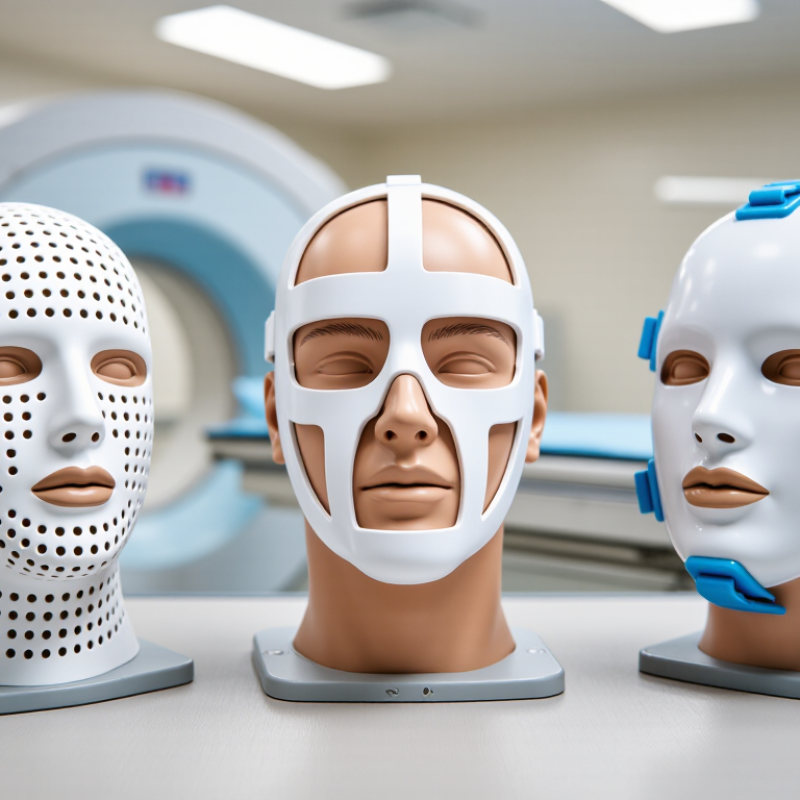
A Full Face Radiotherapy Mask may cover the forehead, cheeks, chin, and neck, helping limit movement during treatment. Common options include perforated thermoplastic masks, open-face designs, and masks with different fixation-point configurations. The AAPM Task Group 176 report on immobilization devices highlights the importance of considering how such devices interact with radiation delivery. Fit matters. Buyers should compare material, visibility, patient comfort, reproducibility, and compatibility with the treatment couch and imaging workflow. Ask for clinical documentation and clear instructions for molding, cleaning, and replacement. A polished product photo cannot show pressure points or how easily a patient tolerates the mask. That is easy to overlook. No design is best for every patient or treatment site, and published product claims may not reflect local workflow. This guide compares leading mask types and practical selection criteria for 2026, while recognizing that purchasing decisions should involve the clinical team.
What Defines a Full-Face Radiotherapy Mask and Its Immobilization Role?
2026 Top Full Face Radiotherapy Mask Types for Buyers?
What Defines a Full-Face Radiotherapy Mask and Its Immobilization Role?
A full-face radiotherapy mask is a custom-fitted shell, often made from perforated thermoplastic mesh. It rests over the face and head, then attaches to a treatment couch or support plate. The openings allow breathing and help the care team monitor the patient. Once shaped, the mask helps keep the head in a repeatable position during treatment.
Immobilization matters because even small movements can affect how consistently radiation reaches the planned area. The mask provides a stable reference for setup, but it does not hold every internal structure perfectly still. Imaging and clinical checks remain important. Fit matters. A mask that feels too tight, presses on the nose, or limits comfortable breathing should be discussed with the treatment team. A secure appearance alone is not enough.