You have successfully logged out.

10 Best Skin Remodeling Devices for Clinics in 2026
Skin Remodeling has moved from a specialist treatment room into everyday clinic planning. Devices now use radiofrequency, ultrasound, lasers, and other energy-based approaches to address texture, laxity, and visible signs of aging. The technology can look impressive. Choosing well takes more than a polished brochure.
The International Society of Aesthetic Plastic Surgery’s 2023 Global Survey recorded 19.1 million nonsurgical aesthetic procedures worldwide. That figure includes injectables and other treatments, not just device-based procedures. Still, it signals substantial demand for nonsurgical care. The distinction matters. Clinics need to compare evidence for each device and treatment, rather than treating broad market growth as proof of effectiveness.
Dermatologist Dr. Howard Murad has said, “The health of your skin is a reflection of your overall health.” That perspective is useful when evaluating skin-remodeling treatments: device settings matter, but so do patient selection, treatment planning, and follow-up. This guide reviews ten clinic devices for 2026, focusing on their technologies, practical uses, and considerations for providers. It is not a ranking of guaranteed results. Outcomes vary, and evidence can differ between platforms. That can be frustrating. It is also a reason to read the claims carefully.
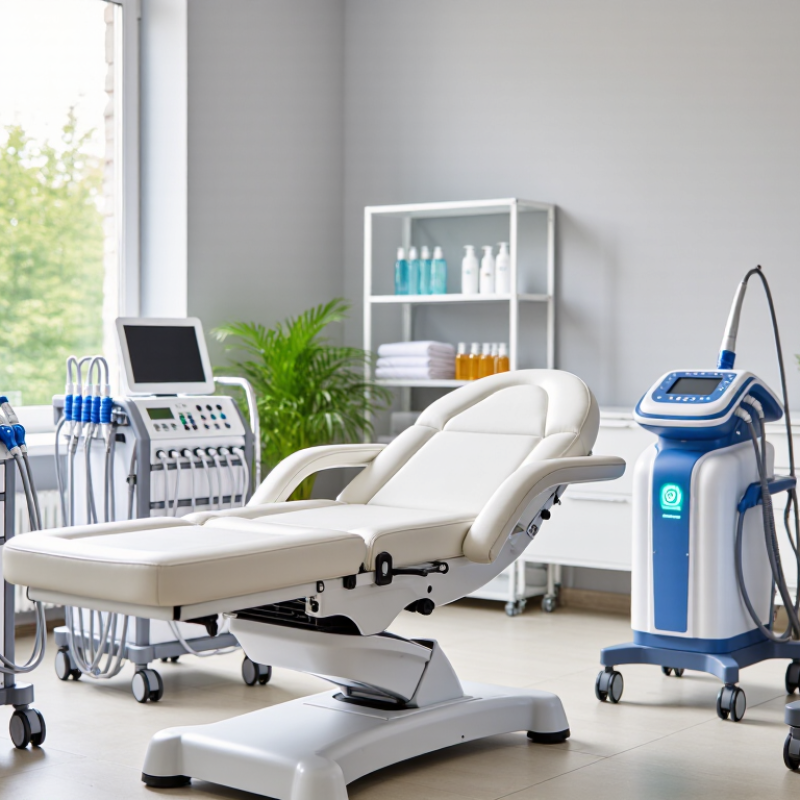
What Skin Remodeling Devices Do in Clinical Practice
In clinical practice, skin remodeling devices are tools for controlled tissue stimulation, not instant correction. Depending on the technology, radiofrequency, focused ultrasound, or fractional light-based energy may target different tissue depths. Treatment goals can include gradual changes in texture, fine lines, or mild laxity. Results vary, and early changes may be subtle. That matters.
Planning begins with a skin assessment and a review of the patient’s medical history, concerns, and previous treatments. A clinician selects the device and settings according to the treatment area and individual tolerance. Device instructions guide preparation, protective eyewear, and contact methods. Patients should understand likely discomfort, possible redness or swelling, and expected recovery time before treatment. One setting does not fit everyone.
Follow-up is part of the work. Clinicians can document baseline photographs, record settings, and assess healing before considering another session. Aftercare depends on the device and the person’s skin response, so simple, specific guidance is more useful than broad promises. Improvement may depend on skin condition, treatment course, and healing. Not every response is neat. That uncertainty deserves honest discussion. A device can support a treatment plan, but careful assessment and realistic expectations remain central.