Discover the Best Sleep Monitoring Technology for Global Buyers
In today’s fast-paced world, sleep has become a precious commodity. Approximately 50-70 million adults in the U.S. suffer from sleep disorders, according to the CDC. The rise of Sleep Monitoring Technology plays a crucial role in addressing this issue. These innovations offer insights into sleep patterns, helping users take control of their health.
The global sleep technology market is expected to grow significantly. Reports indicate it could reach $112 billion by 2025. Devices range from wearable tech to smart mattresses, catering to diverse needs. However, not all solutions are effective, and variability exists in data accuracy. Users must choose wisely to ensure reliability and utility.
Many people rely on sleep tracking apps and devices, yet some struggle to interpret the data. Poor sleep quality often reflects deeper issues that require attention. Understanding sleep cycles is essential, but it’s equally important to recognize that technology may not be a cure-all. We must critically assess these tools to make informed decisions for better sleep health.
Understanding Sleep Monitoring Technology: An Overview
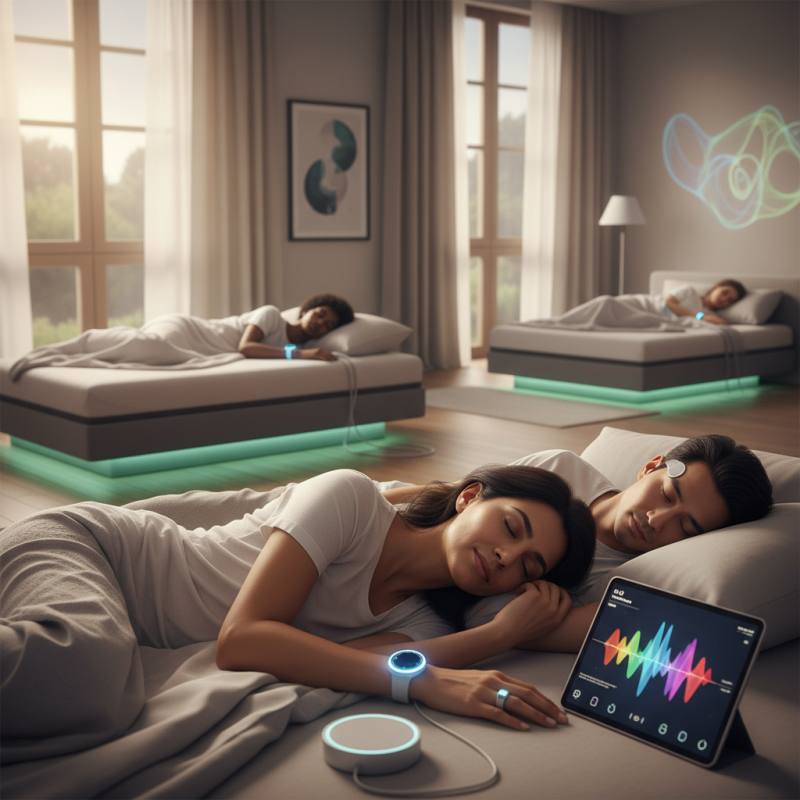
Understanding sleep monitoring technology is crucial for anyone looking to enhance their rest. This technology tracks various parameters during sleep, including heart rate, breathing patterns, and sleep cycles. Devices range from wristbands to smart mattresses, each offering unique features. For those who struggle with sleep quality, these insights can be transformative. It's about more than just counting hours; it's about understanding your body’s needs.
Tips: Consider where you place these devices. Proximity to electronic devices can affect accuracy. The environment should be calm and dark for optimal results. Regularly reviewing data helps identify patterns. Perhaps a night of poor rest coincides with high stress. This information is powerful and can inform lifestyle changes.
But, not all data is perfect. Some people find technology intrusive. Sleep should be a natural process, but monitoring can sometimes create anxiety. It's essential to balance technology use with a holistic approach to health. Reflect on your experiences with sleep technology. Is it aiding your rest or complicating it? Making adjustments based on your findings can lead to better sleep and overall well-being.
Key Features to Look for in Sleep Monitoring Devices
When choosing a sleep monitoring device, several key features should be at the forefront of your decision. Look for accurate tracking capabilities. Devices that monitor heart rate, breathing patterns, and movement will provide a better understanding of your sleep quality. A reliable product should also analyze sleep cycles. This can reveal how much restorative sleep you are getting each night.
Comfort is also vital. A device that feels good during the night can significantly improve your overall sleep experience. Consider wearables versus non-wearable options. Many people prefer non-intrusive solutions, such as smart mattresses or under-mattress sensors. These can provide insights without disrupting your rest.
Another aspect to consider is data accessibility. A good sleep monitor should connect to an app that presents findings clearly. Look for user-friendly interfaces. However, not all apps are intuitive. Some may require time to learn. Always read user reviews to gauge their experiences. This can reflect the product's reliability and help you make an informed choice.
Top Brands in Sleep Monitoring Technology for Global Consumers
As sleep becomes increasingly recognized as crucial for overall health, sleep monitoring technology is gaining traction among global consumers. Research shows that nearly 60% of adults struggle with sleep issues, according to the National Sleep Foundation. This growing concern has led to the emergence of various innovative brands offering diverse solutions, from wearable devices to smart mattresses.
One popular form of sleep monitoring involves wearable technology, which tracks sleep cycles, heart rate, and more. A study published in "Sleep Health" found that individuals using such devices reported a 30% improvement in sleep quality. Similarly, smart mattresses equipped with sensors can detect movements and adjust firmness levels accordingly. These advancements provide personalized feedback, allowing users to optimize their sleep environment.
Tips:
- Create a consistent sleep schedule to enhance the effectiveness of these technologies.
- Limit screen time before bed, as blue light can interfere with sleep quality.
- Reflect on your sleep data regularly; it helps in making informed adjustments.
While these technologies offer valuable insights, users should approach the data with caution. Not all devices provide the same accuracy, and some features may not suit everyone. Understanding your unique sleep patterns remains vital in selecting the right monitoring tools. Investing in sleep technology is a step toward better rest, yet it requires thoughtful consideration and personal reflection.
Comparative Analysis of Sleep Tracking Accuracy and Reliability
As the demand for quality sleep rises, accurate sleep monitoring technology gains importance. A recent study indicated that up to 35% of sleep tracking devices exhibit discrepancies in accuracy. Devices using heart rate variability (HRV) and movement patterns offer varying levels of reliability. Some research highlights that wrist-worn devices generally underestimate sleep duration compared to polysomnography results.
Comparative analysis reveals that even advanced technologies struggle with sleep stage classification. A report from the Journal of Sleep Research confirmed that consumer-grade trackers could misclassify deep sleep by up to 30%. This inconsistency emphasizes the need for critical evaluation of sleep data. Users often trust these devices blindly, which can lead to misplaced expectations about sleep quality and health decisions.
Understanding the limits of sleep monitoring technology is essential. Data from various studies show that contextual factors, like sleep environment and individual differences, significantly influence tracking results. More attention should be given to how these tools are used. For instance, relying solely on technology eliminates the personal touch of recognizing one’s own sleep patterns. This complexity calls for ongoing reflections and improvements in product design and user education.
Future Trends in Sleep Monitoring Technology for Health Enthusiasts
The landscape of sleep monitoring technology is constantly evolving. Many devices now offer more than just tracking sleep cycles. They aim to improve overall health and well-being. Sensors in wearables can detect heart rate, breathing patterns, and even room temperature. This comprehensive data helps users understand their sleep quality.
As more people prioritize health, innovative features will emerge. Future trends may include AI-driven algorithms that analyze sleep data. This could lead to personalized recommendations for better sleep hygiene. Sleep monitoring apps may evolve to provide real-time feedback. There is potential for community support through shared experiences in managing sleep challenges.
Despite these advancements, some users face challenges. Not all technologies are user-friendly. Many devices can be overwhelming with data. Understanding and acting on this information can be difficult. Users should remain mindful of their unique sleep needs. Reflecting on personal habits is crucial. The right sleep technology should not complicate life, but enhance it.