China Best Surgical Materials Suppliers for Global Buyers?
China’s surgical manufacturing sector is attracting global buyers seeking dependable quality, competitive pricing, and scalable production. Surgical Materials include sutures, wound dressings, orthopedic implants, hemostatic products, surgical meshes, and tissue-contacting polymers. Each category requires different evidence.
The World Health Organization reports more than two million medical device types across over 7,000 generic groups. That scale makes supplier comparison difficult. Recent market reports also show steady growth in surgical sutures, driven by rising procedure volumes and expanding healthcare access. However, market size alone cannot prove supplier reliability.
Professor David F. Williams, a respected biomaterials expert, states, “The biological response to a biomaterial depends on its physical and chemical properties.” This principle should guide every purchasing decision. Buyers should examine raw-material traceability, sterilization validation, biocompatibility testing, and batch-level documentation. ISO 10993 testing may be relevant for products contacting tissue or blood. ISO 13485 certification can also indicate a structured quality-management system, though certification is not a complete guarantee.
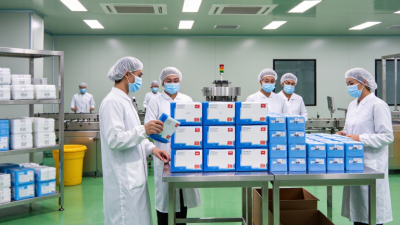
A strong Chinese supplier should provide clear technical files, sample evaluation, production records, and realistic lead times. Factory audits help reveal details that brochures hide. Look closely at cleanroom controls, packaging integrity, and complaint-handling procedures.
The process is not effortless.
Some suppliers communicate well but lack robust documentation. Others offer excellent certificates but limited customization support. Buyers should therefore compare evidence, not promises. This guide introduces leading China Surgical Materials suppliers for global buyers, while recognizing that product risk, intended use, and destination-market requirements must shape the final choice.

What Are Surgical Materials and Why Source Them from China?
China Best Surgical Materials Suppliers for Global Buyers?
Surgical materials are products used to cut, close, support, protect, or repair tissue during medical procedures. They include absorbable and non-absorbable sutures, surgical meshes, wound dressings, bone fixation products, drapes, and sterilization packaging. Each item requires controlled materials, validated production, and reliable traceability.
The demand is substantial. The Lancet Commission on Global Surgery estimated about 313 million surgical procedures occur worldwide each year. However, the World Health Organization reports surgical site infection rates can reach 11% in low- and middle-income countries. Material quality matters. A weak suture, poor package seal, or incomplete sterilization record can create serious clinical risks.
China attracts global buyers through its broad manufacturing ecosystem and mature component supply chains. Experienced suppliers can offer customized sizes, packaging, private-label production, and process documentation. Buyers should verify ISO 13485 certification, biocompatibility testing, sterilization validation, shelf-life evidence, and batch-level traceability. Regulatory registration must also match the destination market.
Price is not enough.
A practical audit should inspect raw-material certificates, cleanroom controls, sampling plans, and complaint records. Independent laboratory testing can confirm tensile strength, sterility, or package integrity before shipment. Some suppliers communicate well during sampling but respond slowly after delivery. That weakness deserves attention. A factory visit, video audit, and small trial order may reveal more than a polished catalog.
Key Types of Surgical Materials Supplied by Chinese Manufacturers
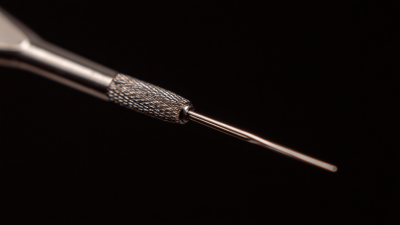
Chinese manufacturers supply a broad range of surgical materials for hospitals, distributors, and contract medical providers. Common categories include stainless steel instruments, titanium implants, absorbable sutures, wound dressings, surgical gowns, and sterile packaging. Each category requires different controls. Instruments need precise machining and corrosion resistance. Sutures require consistent diameter, tensile strength, and sterilization performance. Dressings must manage fluid without leaving loose fibers.
Disposable materials also represent a major supply segment. Manufacturers produce syringes, suction components, drainage tubes, catheters, masks, and nonwoven operating-room products. Medical-grade polymers must remain stable during storage and clinical use. Small design details matter, such as smooth catheter edges, readable graduation marks, and secure connectors. These features affect handling under pressure.
Verification should go beyond a product catalogue. Global buyers often review technical files, material certificates, batch records, sterilization validation, and packaging tests. Factory audits can reveal practical weaknesses, including inconsistent labeling or weak traceability. Samples may look acceptable, yet production batches can differ. That gap deserves scrutiny. No material is perfect. A reliable supplier explains limitations clearly and supports corrective action with documented evidence. Buyers should also confirm applicable market requirements before placing repeat orders.
How to Assess the Quality of Chinese Surgical Material Suppliers
Assessing Chinese surgical material suppliers requires more than comparing prices. Quality begins with clear material specifications, controlled production, and traceable batch records. Ask for current certificates, test reports, and sterilization validation where applicable. Check whether the documents match the exact product and factory address. Generic certificates are not enough.
During supplier assessments, review the quality management system and production controls. An experienced buyer should request samples from different batches, not just one attractive sample. Inspect packaging seals, labeling accuracy, surface finish, and dimensional consistency. Independent laboratory testing can verify strength, biocompatibility, or chemical composition. Factory audits also reveal practical details, such as cleanroom discipline and calibration records. These details matter. However, no checklist is perfect. A polished facility may still have weak complaint handling.
Tips:
Confirm traceability from raw materials to shipment. Ask how nonconforming products are isolated and investigated. Review change-control procedures before approving a supplier. Require written responses with evidence, not broad assurances. A reliable supplier should communicate delays, deviations, and corrective actions openly. Request references from comparable medical procurement projects when possible, while protecting confidential information. I have found that small inconsistencies often deserve attention. One incorrect label or missing batch record may signal a deeper process gap. Price matters, but stable quality, transparent documentation, and responsive technical support protect the buyer more effectively over time.
Regulatory Standards and Certifications for Global Buyers
China Best Surgical Materials Suppliers for Global Buyers?
Regulatory Standards and Certifications for Global Buyers
Choosing surgical materials requires more than comparing prices. Buyers should confirm the product’s intended use, risk class, and destination-market requirements. A supplier’s ISO 13485 certificate can show a controlled quality system, but it does not automatically prove product approval. The certificate must be current and cover the correct manufacturing site and product scope.
For materials contacting tissue or blood, request biocompatibility evidence based on ISO 10993. Ask how sterilization was validated and maintained. Review batch records, packaging-seal tests, shelf-life data, and certificates of analysis. European buyers may need MDR-related technical documentation and a valid CE pathway. United States buyers should check whether the product requires FDA clearance, registration, or another applicable route. Requirements vary by product.
Details matter.
Tips: Request certificates directly from the supplier and verify their validity with the issuing organization. Compare the certificate name, factory address, product scope, and expiration date. Ask for traceability from raw material to finished batch. A clear answer is reassuring; vague paperwork deserves another question. I have seen buyers rely on a logo alone, which is an avoidable mistake. Certification review should be paired with sample testing, an on-site audit when practical, and written quality agreements. Suppliers should also explain complaint handling, recalls, change notifications, and export documentation. Good compliance is documented, repeatable, and open to inspection.
How to Compare and Select the Best Chinese Supplier
Selecting a Chinese surgical materials supplier requires more than comparing unit prices. Start with product specifications, intended clinical use, material composition, and packaging requirements. Ask for current quality certificates, inspection records, and sterilization validation documents. A supplier should explain how each production lot is identified and traced. Ask for evidence.
Review the factory’s quality system, not only its sales presentation. ISO 13485 certification can be useful, but verify its scope, validity, and issuing body. Request sample inspection reports for dimensions, strength, cleanliness, and packaging integrity. For sterile products, examine the sterilization method, cycle records, and shelf-life testing. A remote video tour helps, while an independent audit provides stronger evidence. Details matter.
Compare communication speed, engineering support, minimum order quantities, lead times, and change-control procedures. Ask how the supplier handles rejected batches, transport damage, and customer complaints. A small sample order can reveal inconsistent labeling or weak packaging before a larger commitment. My own comparison sheets have sometimes favored low prices too quickly. That is a mistake. A supplier may offer excellent samples but struggle with repeat production. Check several lots when possible. Keep written records of every promise, revision, and approval. Reliable cooperation depends on traceable evidence, careful questions, and realistic expectations.