You have successfully logged out.

China Top Paper Takeaway Container Suppliers?
Choosing a supplier for Paper Takeaway Containers is not just a price comparison. A container may look sturdy on a screen, then soften under hot noodles or leak beside a dressing cup. Buyers should compare material, lid fit, grease resistance, print quality, and production consistency. Ask suppliers for samples. Test them with the foods, temperatures, and delivery times your customers actually encounter. Small checks matter.
Packaging sustainability specialist Dr. Helen Lewis is known for her work on packaging life-cycle thinking. The following is an editorial paraphrase, not a verbatim quotation: “Judge packaging by its full journey, not by one attractive feature.” That lens can help when reviewing China-based suppliers. Request clear specifications, current food-contact documentation, and details about coatings and end-of-life options. Confirm minimum order quantities, sample lead times, and how defects are handled. A low unit price can conceal costly compromises. Not always, but sometimes.
This guide explores what to look for among China’s Paper Takeaway Containers suppliers, from product range to customization and quality controls. It also offers practical questions for narrowing a shortlist. Supplier claims deserve careful checking, especially when certifications or environmental benefits are involved. A polished catalog is useful. It is not proof. The best choice depends on your menu, shipping route, order volume, and local disposal infrastructure. There is no perfect container for every business. That deserves a little reflection.
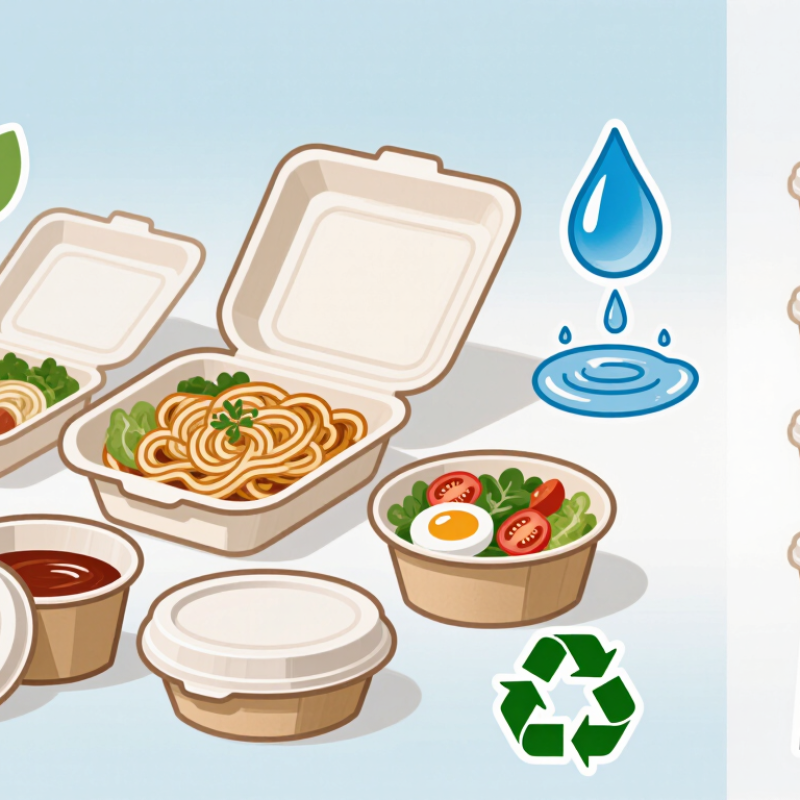
What Paper Takeaway Containers Are and How They Are Used
Paper takeaway containers are food-service packages made mainly from paperboard. They may be folded into trays, clamshell boxes, cups, or lidded bowls. Some have a thin barrier layer to resist moisture and grease. The material and construction matter: a dry pastry needs less protection than sauced noodles.
They are used by restaurants, cafés, caterers, and food stalls for meals prepared to eat elsewhere. Staff place food inside, close the lid, and add utensils or napkins separately when needed. A snug lid helps during short trips, but it does not make every container leakproof. Test the package with the actual portion, especially when serving hot soup or oily food.
Small details affect performance. A container that feels sturdy on a counter may soften after holding steam for several minutes. Vent openings can reduce condensation, though they may let heat escape. Paper packaging can also take up more storage space than expected. Check how containers stack before ordering large quantities. Recycling options vary by location, and food residue or barrier coatings may limit acceptance. It is easy to call a package sustainable; the local disposal route deserves the same attention.
China Top Paper Takeaway Container Suppliers? - What Paper Takeaway Containers Are and How They Are Used
Paper takeaway containers are food-service packages made primarily from paperboard or paper. Their suitability depends on the container design, any moisture or grease barrier, the food, and local packaging-disposal facilities.
| Container type | Typical construction | Common uses | Selection considerations |
|---|---|---|---|
| Folded paperboard meal box | Die-cut paperboard folded into a box; may include a grease- or moisture-resistant lining. | Rice meals, noodles, fried foods, salads, and mixed takeaway dishes. | Check closure security, food-contact suitability, and resistance to the meal’s moisture and oil. |
| Paper bowl | Formed paperboard bowl, often paired with a separate lid; a barrier may be used for liquids or oily foods. | Soup, porridge, salads, grain bowls, and noodles. | Match the lid to the bowl design and confirm performance for the intended food temperature and holding time. |
| Paper soup cup | Rolled paperboard cup with a liquid-resistant inner barrier and a compatible lid. | Soup, broth, hot drinks, and other portioned liquids, depending on the product’s specification. | Verify leak resistance and lid fit for the specific liquid, temperature, and service duration. |
| Paperboard food tray | Shallow formed or folded paperboard, sometimes supplied with a separate lid or cover. | Fries, pastries, snacks, sandwiches, and other foods served in portions. | Choose a suitable barrier for greasy foods and a shape that supports the food during transport. |
| Paper food bag | Flat or gusseted paper bag; some versions use a grease-resistant treatment or a viewing window. | Bread, bakery items, sandwiches, and dry or lightly greasy takeaway foods. | Consider bag strength, opening style, food freshness needs, and whether a window affects local recycling options. |
| Paperboard clamshell | One-piece hinged paperboard pack with a folded or tabbed closure; barrier treatments vary by design. | Burgers, sandwiches, bakery products, and some hot meals. | Check hinge and closure strength, ventilation needs, and suitability for foods that release steam or grease. |
| Paperboard cup carrier | Molded or folded paper-based insert designed to hold drink cups upright. | Transporting takeaway beverages. | Confirm compatibility with the cup sizes and shapes used in the service operation. |
| Lid and barrier options | Lids may be paperboard or another food-contact material; barriers may include polymer coatings or other treatments. | Used to help contain food, limit leakage, or improve resistance to moisture and grease. | Ask for material and food-contact documentation. Recyclability and compostability depend on the full package and local facilities. |
Practical note: “Paper” does not automatically mean recyclable or compostable. Check the packaging’s material composition and follow the requirements of the local collection or composting system.