How to Choose the Right Autoclave Vessel for Your Needs?
Choosing the right Autoclave Vessel is crucial for various industries, including medical and research fields. Dr. Emily Chen, an expert in autoclave technology, once stated, “Selecting the proper vessel affects efficiency and safety.” This highlights the importance of making informed decisions.
When evaluating an Autoclave Vessel, consider your specific needs. Factors like size, material, and functionality can greatly impact your results. For instance, a larger vessel may handle more samples but can also be more challenging to maintain. Think about the materials you will be using. Some vessels may not withstand certain chemicals or temperatures.
The selection process often has its complexities. Users may overlook essential features, leading to inefficiencies. Understanding the balance between capacity and usability is key. Choosing an Autoclave Vessel demands careful thought and consideration. The right choice ultimately enhances productivity and safety in your work environment.
Understanding Autoclave Vessels: Key Features and Benefits
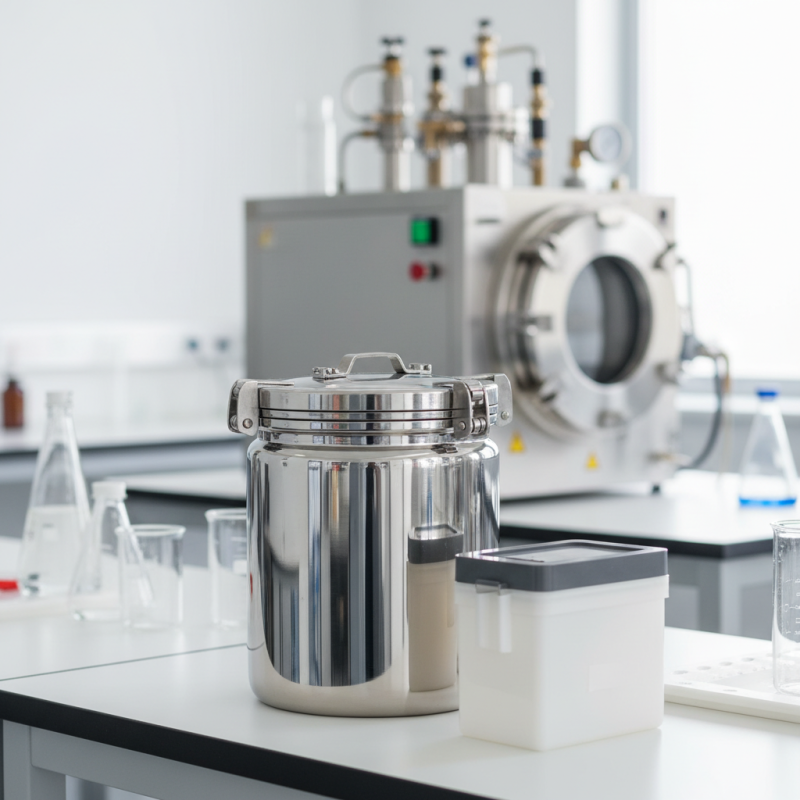
Autoclave vessels play a crucial role in sterilization processes across various industries. They are used in laboratories, medical facilities, and even in food preservation. When selecting an autoclave vessel, it’s essential to understand key features and benefits. Laboratory studies indicate that a properly functioning autoclave can achieve sterility assurance levels of 10-6, making it a critical tool for ensuring safety in any process involving biohazardous materials.
Capacity is one of the most important factors. Autoclave vessels come in various sizes. Some can handle small loads for individual labs, while others are designed for large-scale operations. According to recent reports, approximately 30% of facilities underestimate their volume needs. This can lead to workflow bottlenecks and increased operational costs. It's vital to assess the typical size of batches to determine the right capacity.
Materials also matter significantly. Stainless steel is common due to its durability and resistance to corrosion. Yet, some alternatives offer excellent thermal conductivity. However, these may not withstand harsh chemical environments. A study revealed that almost 20% of facilities experience issues due to incorrect material choices. Assessing specific requirements meticulously can aid in better decision-making. Prioritizing both safety and efficiency will ultimately lead to a more effective sterilization process.
Types of Autoclave Vessels: Choosing the Best Fit for Your Application
When selecting an autoclave vessel, understanding the types available is crucial. Autoclave vessels can vary in design and function. There are steam sterilizers that work well for heat-stable items. They efficiently kill bacteria and viruses through high-pressure steam. However, they may not be suitable for heat-sensitive materials.
Another type includes dry heat sterilizers. These vessels use hot air to exterminate pathogens. They are effective for specific lab equipment. Yet, the longer sterilization time can be a drawback. Be aware that different applications require specific sizes and materials. A wrong choice could lead to inefficiencies and increase costs.
Size matters when choosing an autoclave vessel. Too small and you will struggle with capacity. Too large and you might waste energy. It’s essential to reflect on your needs. Consider load types and frequency of use. Find a balance that is both practical and effective for your work. Remember, the right vessel enhances your sterilization process.
Factors to Consider: Size, Material, and Compatibility
Choosing the right autoclave vessel is crucial for effective sterilization. Size is a key factor. A larger vessel accommodates more items but requires more space. If you're working with smaller lab equipment, a compact option might suffice. Think about your workflow. It’s frustrating to have to sterilize items in multiple batches when one size could do the trick.
Material matters too. Stainless steel is durable and resistant to corrosion. However, it can be expensive. Sometimes, a plastic alternative works if you’re sterilizing lighter or less demanding items. Consider the temperature and pressure your materials can handle. It’s easy to overlook compatibility, leading to costly mistakes.
Also, reflect on your specific needs. Will you need to unlock the vessel frequently? Some designs complicate access to items. Ventilation is another detail often neglected. Proper ventilation prevents moisture buildup inside the vessel, which can affect sterilization. Think through these factors thoughtfully. They can greatly impact your effectiveness and efficiency.
Safety and Compliance: Ensuring Standards are Met
When selecting an autoclave vessel, safety and compliance should be your primary focus. Proper sterilization processes are critical in healthcare and laboratories. A suitable vessel must comply with local safety regulations. Check if it meets the relevant standards for pressure and temperature. Inadequate compliance can lead to dangerous outcomes.
Consider the materials used in the vessel's construction. They should withstand high temperatures and pressures without degrading. Stainless steel is often the go-to choice. However, not all stainless steel is alike. Pay attention to the grades. Some may resist corrosion better than others. It’s essential to choose wisely based on your specific needs.
Training staff on the correct use of the autoclave is equally vital. Even the best equipment can fail if not operated safely. Regularly scheduled inspections can identify potential issues. A small crack can pose a significant risk. Ignoring these details could lead to severe consequences. Constant reflection on practices and procedures will help maintain a culture of safety.
Cost vs. Quality: Balancing Budget with Performance
Choosing the right autoclave vessel involves a strategic balance between cost and quality. A recent industry report indicates that high-quality autoclaves can reduce operational costs by up to 20% over five years. This is crucial for facilities aiming for long-term efficiency. Many users prioritize low upfront costs but overlook key performance metrics, such as cycle time and efficacy.
Quality autoclaves often feature advanced materials and technologies. They ensure better sterilization rates. For instance, a study revealed that vessels with superior thermal insulation maintain consistent temperatures, leading to fewer failed cycles. Budget vessels may seem attractive. However, they often require more maintenance, which can inflate overall costs.
Evaluating your specific needs is essential. Facility size and volume of use play significant roles. It might be tempting to choose a lower-priced option. Yet, that choice can come with hidden costs. If sterility is compromised, the implications can extend beyond finances to patient safety and regulatory compliance. Ultimately, investing in quality may save money and ensure better performance over time.
Cost vs. Quality of Autoclave Vessels