How to Choose the Best Aspheric Lens for Your Needs?
Aspheric Lenses have transformed optical design in recent years. They offer improved image quality and reduced aberrations compared to traditional spherical lenses. According to a report from the Optical Society of America, aspheric lenses can reduce weight and thickness by up to 40%, making them ideal for compact devices. This advancement has made them a preferred choice in industries like photography, eyeglasses, and medical devices.
Choosing the right aspheric lens can be challenging. Factors such as material, design curvature, and coating options need careful consideration. Not all aspheric lenses deliver the same performance. A study by the International Commission on Optics indicated that the lens's surface quality significantly impacts optical efficiency. Therefore, understanding specific needs is crucial to selecting the most suitable option.
Many still overlook critical aspects when choosing aspheric lenses. Misjudging the importance of these details can lead to suboptimal results. It's essential to weigh the trade-offs between cost and performance. The decision should reflect your unique requirements for clarity, durability, and application. Consider seeking professional advice to navigate this complex landscape.
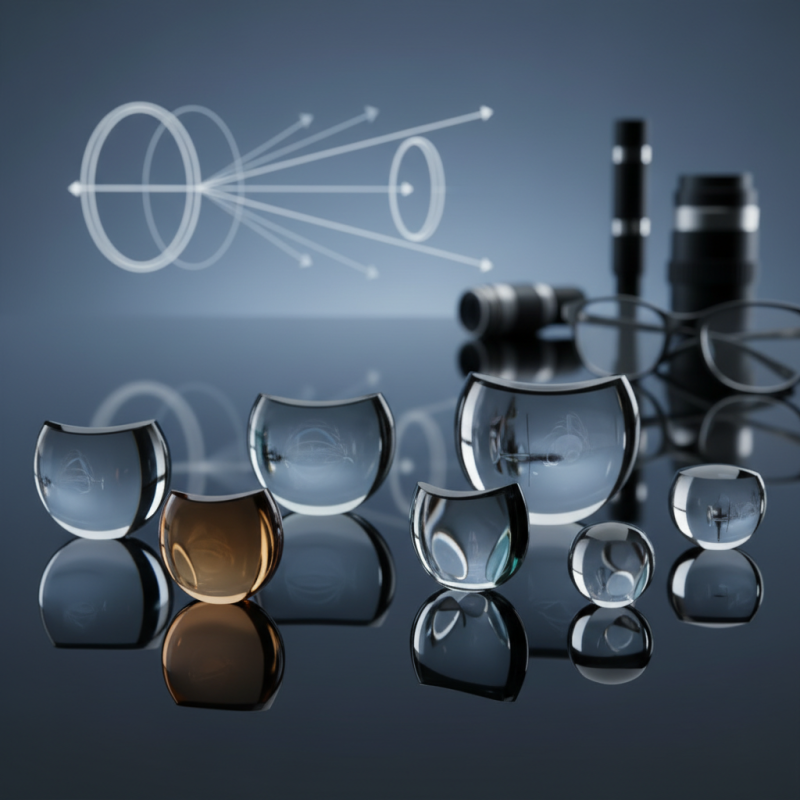
Understanding Aspheric Lenses: Definition and Benefits
Aspheric lenses are a powerful tool in optics. They differ from traditional lenses by having a more complex surface profile. This design minimizes optical aberrations, leading to clearer images. Users often find them beneficial for various applications, from photography to vision correction.
One significant advantage of aspheric lenses is their ability to provide a larger field of view. This feature can be crucial for people needing precise vision in everyday tasks. They are often thinner and lighter than conventional lenses. However, not all aspheric lenses are created equally. Users must consider their specific needs to avoid buyer's remorse.
Many might overlook the importance of proper fitting. An ill-fitted lens can lead to discomfort and ineffective vision correction. It's essential to consult with a professional to ensure you select the right type. Remember, choosing the best aspheric lens isn't just about specifications; it's also about personal comfort and preference. Evaluate your lifestyle and vision requirements carefully.
Key Factors to Consider When Choosing an Aspheric Lens
When selecting an aspheric lens, several key factors must be considered. The refractive index is crucial. A higher index often allows for thinner and lighter lenses, enhancing comfort. However, this can also affect optical quality. Assess how important weight is in your application. For example, in high prescription designs, a lower index can lead to bulkiness, which may not be acceptable.
Next, consider the curvature of the lens. Aspheric lenses can reduce spherical aberration, which may improve image sharpness. This feature is vital for activities requiring precision, like photography. That said, the design may introduce new optical effects. Understanding these potential drawbacks is essential. Always evaluate how the lens curvature interacts with your specific visual needs.
Finally, the lens material deserves attention. Different materials impact not just weight and comfort but also durability. A heavier lens may be more resilient but can cause discomfort during extended wear. Balancing durability with comfort often requires compromises. Take the time to reflect on what matters most for your situation. Make a checklist of priorities to help guide your decision.
How to Choose the Best Aspheric Lens for Your Needs? - Key Factors to Consider When Choosing an Aspheric Lens
| Factor | Description | Importance Level |
| Lens Material | The type of material affects weight, durability, and optical quality. | High |
| Coating | Anti-reflective and scratch-resistant coatings enhance performance and longevity. | High |
| Aspheric Design | Reduces spherical aberrations and improves image quality. | Very High |
| Focal Length | Determines the scale and detail of the image captured. | Medium |
| Compatibility | Ensure lens fits with current optical systems and mounts. | High |
| Budget | Consider cost while balancing quality and features. | Medium |
| Reviews | User and expert reviews offer insights on performance. | Medium |
Different Types of Aspheric Lenses and Their Applications
Aspheric lenses come in various types, each serving distinct applications. They differ primarily in their design and curvature. Standard aspheric lenses offer reduced spherical aberrations. They are ideal for camera systems and optical sensors. High-order aspheric lenses, on the other hand, provide even greater precision. These are often used in advanced medical devices.
Choosing the right lens can be challenging. Consider your specific needs first. For photography, a lens that minimizes distortion is crucial. In contrast, for vision correction, you'll need a design tailored to your prescription.
**Tips:** Always consult with an optical professional. They can guide you based on your vision requirements. Testing different lenses helps you understand what works best for you. Don’t be afraid to ask questions and compare options. Remember, the perfect lens for one application might not suit another.
Aspheric Lens Types and Their Applications
This chart illustrates the different types of aspheric lenses and their common applications. Each type is represented by the number of applications found in various fields, highlighting their versatility and utility.
Evaluating Lens Materials and Coatings for Optimal Performance
When selecting aspheric lenses, lens materials and coatings play a crucial role in performance. Polycarbonate and Trivex are popular materials due to their lightweight nature and impact resistance. According to the Optical Society of America, these materials reduce weight by up to 35% compared to traditional options. They also provide UV protection, which is essential for eye health.
Coatings can significantly enhance the performance of aspheric lenses. Anti-reflective coatings improve light transmission and reduce glare. Research shows that lenses with anti-reflective coatings can increase light transmission by over 98%. However, not all coatings are created equal. Some may wear off quickly or scratch easily, requiring more frequent replacements.
Tip: Always consider the environment where the lenses will be used. For frequent outdoor activities, look for scratch-resistant and water-repellent coatings. These can provide additional durability and comfort.
Another aspect worth reflecting on is how personal preferences influence material and coating choices. While one may prioritize weight, another may focus on resistance. Consumers should weigh their needs against the available options. Finding the right balance can yield optimal visual experiences.
Assessing Manufacturer Reputation and Warranty Considerations
When selecting an aspheric lens, the manufacturer's reputation plays a crucial role. Research from the Optical Society of America shows that 72% of consumers prioritize brand reliability. A solid reputation often reflects years of experience in lens design and production.
Manufacturers with established credibility usually invest more in research and development, ensuring their products meet high standards.
Warranty considerations add another layer to the decision-making process. A comprehensive warranty indicates a manufacturer's confidence in their product. The National Academy of Sciences states that lenses with robust warranties often have lower return rates.
Consumers should look for warranties that cover defects and performance over an extended period. While a longer warranty may appear appealing, it can also raise questions about the product's initial reliability.
It’s important to note that not all manufacturers can deliver consistent quality. Some may have impressive warranties but lack experience in aspheric lens technology. One report indicated that 25% of consumers experienced issues after purchasing from lesser-known manufacturers. Evaluating manufacturer reviews and product testimonials can provide insights into their reliability and the quality of customer service.