You have successfully logged out.
7 Tips for Choosing the Best Lead Glasses

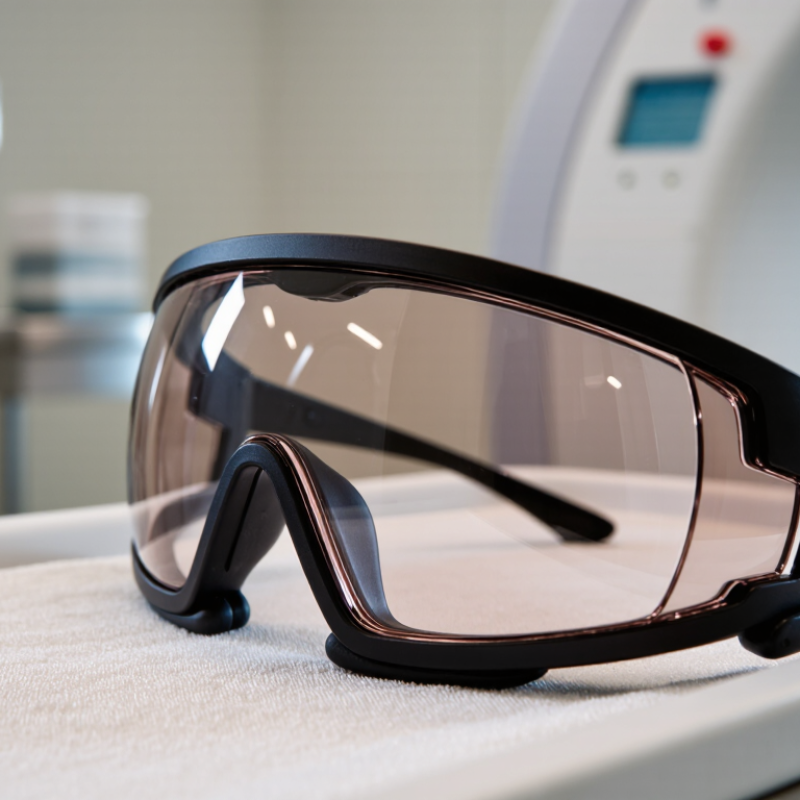
During fluoroscopy or other imaging procedures, protective eyewear can help reduce radiation exposure to the eyes. The right Lead Glasses should do more than look sturdy in a product photo. They need to fit securely, provide suitable coverage, and remain comfortable during the work you actually perform. A frame that slips when you look down can become a distraction. So can lenses that feel heavy after a long shift.

Choosing well takes more than comparing prices or lead-equivalent ratings. Check the manufacturer’s documentation, lens coverage, frame style, weight, and options for prescription lenses. Ask whether the eyewear suits your workplace’s radiation protection requirements, and confirm details with your radiation safety professional. Protective glasses are one part of a broader safety program, not a replacement for other required precautions. Small details matter.

This guide offers seven practical considerations for comparing options, from fit and clarity to maintenance and product information. No single pair works perfectly for everyone. A wider frame may offer useful coverage, yet feel less comfortable under a headset. Even experienced staff can overlook that trade-off when ordering quickly. I would, too, if I focused only on the specification sheet. Use these tips to ask better questions and choose lead glasses that suit your tasks, face shape, and workplace guidance. The goal is a considered choice, not a claim of complete protection.
7 Tips for Choosing the Best Lead Glasses

Define Your Workload and Measure Eye-Lens Dose in mSv

Lead glasses should match the work you actually do, not an imagined average shift. Record procedure types, case numbers, fluoroscopy time, and your usual position near the patient. A clinician assisting with long vascular cases may face a different scatter pattern than someone working mostly at a distance. Note whether ceiling shields are consistently available and practical to position. Small details matter. Your workload may also change across the year, so one unusually quiet week can give a misleading picture.

Measure eye-lens exposure with an appropriate dosimeter and review the results in millisieverts (mSv) over a defined period. Follow your radiation safety team’s instructions for placement; readings can differ depending on whether a dosimeter is worn outside or behind protective eyewear. Compare representative shifts, and include busy days. Numbers can surprise. If readings are high or inconsistent, check positioning, shield use, and dosimeter handling before choosing glasses. Then consider fit, side coverage, weight, and whether the glasses stay in place during real procedures. A pair that feels uncomfortable may be left off. I would not treat a single mSv reading as the whole story; discuss trends and measurement limits with a qualified radiation protection professional.

7 Tips for Choosing the Best Lead Glasses

Define your workload, then measure eye-lens dose in mSv to judge whether your protection is adequate.

How to use this chart: These are regulatory or recommended limits, not targets. ICRP recommends an occupational eye-lens limit of 20 mSv per year averaged over five years, with no more than 50 mSv in any single year. The U.S. NRC limit is 150 mSv in a year.

Seven practical tips: 1) Define your procedures and workload. 2) Review your eye-lens dosimetry. 3) Choose glasses that fit securely. 4) Check side coverage. 5) Select a suitable lead equivalence for your setting. 6) Keep glasses clean and inspect them regularly. 7) Reassess protection when workload or dose readings change. Follow your local radiation-safety guidance.

Use the ICRP Limit: 20 mSv per Year Averaged Over 5 Years

The ICRP recommends an occupational dose limit for the eye lens of 20 mSv per year, averaged over five years. It also recommends that exposure not exceed 50 mSv in any single year. Treat this as a protection limit, not a personal target or a reason to accept avoidable exposure. Your workplace radiation-safety professional can explain how local requirements and your dose records apply.

When comparing lead glasses, check their stated lead equivalence and whether that protection suits your X-ray work. A close, comfortable fit matters; gaps at the sides can leave the eyes less protected. Try them on with your usual mask or loupe, and notice whether the frames slide when you look down. Fit matters. Lens shape, weight, and clear vision affect whether you will wear them throughout a procedure. I still find fit easy to underestimate.

Ask how eye-lens dose is monitored, and review your readings with the radiation-safety team. Glasses can reduce exposure, but they do not replace distance, shielding, good positioning, or equipment checks. Inspect lenses and frames for cracks, loose parts, or poor visibility. Check the seams. If the glasses are damaged or uncomfortable, report it rather than setting them aside. A small adjustment may help, but measurement and qualified guidance should shape the decision.

Verify Lead Equivalence Under IEC 61331-3:2014

Lead equivalence is not a universal measure of protection. Under IEC 61331-3:2014, protective eyewear is evaluated using specified radiation qualities and test conditions. Ask for a test report that names the standard and states the measured lead equivalence. Check the radiation conditions, including the tube voltage, rather than relying on a number alone. A value measured under one condition may not describe performance under another.

The paperwork can feel dry, but it matters. Look for clear identification of the tested lens material and whether results apply to the complete lens or only a sample. Compare eyewear only when the testing conditions are comparable.

Also inspect the glasses in person: lenses should cover the eye area, and the frame should sit securely without slipping during normal movement. Fit still matters. A high stated equivalence cannot make up for gaps around the eyes or uncomfortable glasses that staff avoid wearing.

If documentation is missing or unclear, ask the supplier for clarification before choosing. I would not treat a label by itself as proof; the supporting test details deserve a careful look.

Compare 0.50 mm Pb Lenses, Coverage, and Side-Shield Options

A 0.50 mm Pb-equivalent lens is a useful comparison point, not a guarantee of identical protection. Attenuation varies with X-ray energy, lens design, and how the glasses sit. Check the manufacturer’s test documentation for the stated lead equivalence and test conditions. ICRP Publication 118 recommends an occupational eye-lens dose limit of 20 mSv per year, averaged over five years, with no single year exceeding 50 mSv. That benchmark explains why lens protection deserves careful selection; it does not mean glasses alone control exposure. Fit matters.

Coverage changes what the rating cannot tell you. Lenses should shield the eyes without slipping when you look down at a monitor or turn toward a colleague. Side shields can reduce exposure from oblique scatter, but open gaps around the frame still matter. Try the glasses with your usual mask and head position; pressure at the temples can make even protective eyewear hard to wear throughout a procedure. NCRP Report No. 168 treats eye protection as part of a broader fluoroscopy dose-management approach, alongside positioning and monitoring. Not just numbers. A close-fitting frame may feel less convenient, and that trade-off is worth checking honestly before choosing.

7 Tips for Choosing the Best Lead Glasses - Compare 0.50 mm Pb Lenses, Coverage, and Side-Shield Options

Tip What to Compare Practical Guidance Why It Matters
1. Check lens lead equivalence Look for a stated lead-equivalent value, such as 0.50 mm Pb, and confirm whether it applies to the lenses. Compare product documentation under the same test conditions. Ask for the applicable radiation-energy range and test standard if these are not stated. Lead equivalence describes attenuation relative to lead under specified conditions; it is not a guarantee of identical protection at every X-ray energy.
2. Consider lens coverage Compare lens width and height, frame shape, and how much of the area around each eye is covered. Try the glasses on and check for gaps when looking straight ahead and turning your head. Larger lenses may increase coverage but can also add weight. Coverage depends on fit and viewing position as well as lens size.
3. Evaluate side-shield options Check whether side shields are included, removable, or available separately, and whether their protection is documented. Compare the side coverage and fit around the temples. Do not assume that a shield has the same lead equivalence as the lenses unless the documentation confirms it. Side protection can help reduce exposure from lateral scatter, but its value depends on the shield design and exposure conditions.
4. Match the fit to your face Compare bridge fit, temple length, frame width, and the position of the lenses relative to your eyes. Look for stable, comfortable contact without pressure points or slipping. If you wear prescription eyewear, check whether the glasses fit over it or can be made to your prescription. A poor fit may reduce usable coverage and make protective eyewear less comfortable to wear consistently.
5. Balance protection and weight Compare the listed weight, frame construction, and lens coverage together. Try the glasses for a realistic period if possible. A secure, well-balanced frame may feel more comfortable during longer procedures. Protective lenses and larger frames can add weight; comfort is an important part of everyday usability.
6. Check optical quality and care Review optical clarity, available lens options, scratch-care instructions, and compatibility with approved cleaning products. Inspect lenses for distortion and follow the manufacturer’s cleaning and storage guidance. Avoid cleaners or wipes that have not been confirmed as suitable. Clear vision and proper care support reliable use and help preserve the eyewear’s condition.
7. Verify documentation and workplace fit Review product specifications, test information, inspection guidance, and your facility’s radiation-safety requirements. Confirm suitability with your radiation-safety officer or qualified professional. Use lead glasses as one part of a radiation-protection program, not as a substitute for appropriate shielding and safe work practices. Protection needs vary with procedures, equipment, positioning, and workplace policy.

Note: Lead-equivalence claims and attenuation performance depend on test conditions and radiation energy. Check the eyewear’s documentation and follow your facility’s radiation-safety guidance.

Balance Fit, Prescription, Weight, and Routine Condition Checks

Treat fit and prescription as safety features, not cosmetic details. Frames should sit close without pressing your temples, and side shields should cover the eye area during normal movement. If you wear prescription lenses, ask an occupational eye-care professional about prescription lead glasses or compatible inserts. A blurry view can make precise work harder. Heavy frames may also slide when you look down, so test them while standing, turning, and reading a screen. Fit can feel fine at first, then become irritating after a long shift. That is worth noticing.

Weight matters, but do not trade coverage for comfort without checking with your radiation-safety team. ICRP Publication 118 recommends an occupational eye-lens dose limit of 20 mSv per year, averaged over five years, with no single year above 50 mSv. Eyewear helps reduce exposure; it does not replace shielding, distance, or dose monitoring. Check the frames and lenses routinely for loose hinges, cracks, deep scratches, or gaps around the face. Check them regularly. Follow your facility’s inspection and testing schedule, and remove damaged glasses from use until assessed. Keep them in a clean, protective case between shifts. A quick wipe is helpful, but it will not reveal every defect.