You have successfully logged out.
How to Choose the Best LED Phototherapy Mask
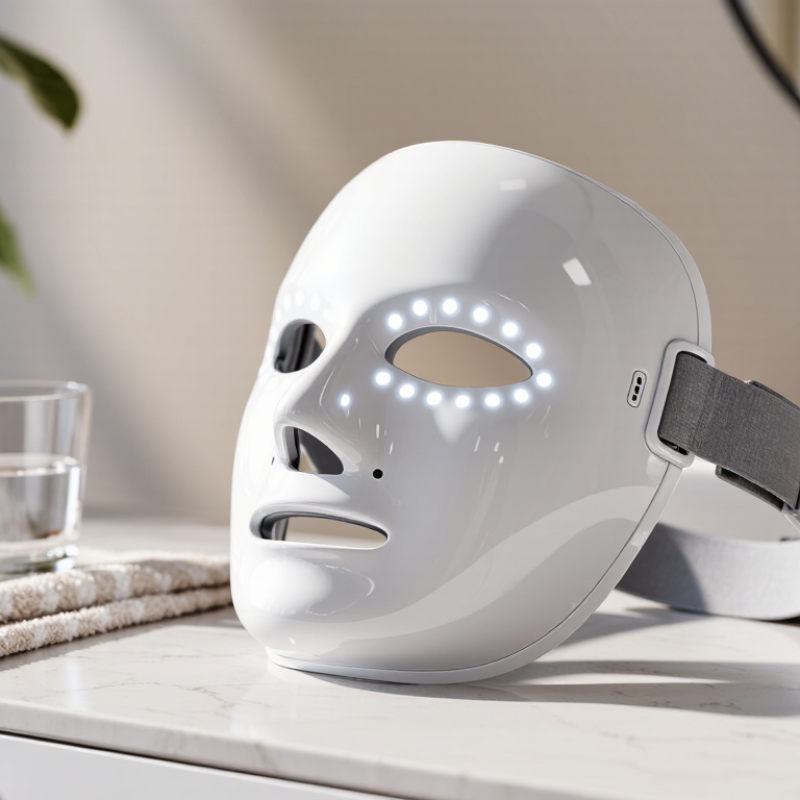
Choosing the best Led Phototherapy Mask involves more than comparing prices or counting glowing lights. The right option should match your skincare goals, comfort needs, and willingness to follow its instructions consistently. Small details matter. Consider the mask’s light wavelengths, treatment settings, session duration, and fit around the nose and cheeks. A strap that slips or pressure near the eyes can make regular use less comfortable than expected.
Look for clear product information from the manufacturer, including safety guidance, cleaning instructions, and evidence supporting its stated features. Be cautious of promises that suggest dramatic or guaranteed results; responses can vary, and a home-use device is not a substitute for professional care. Check whether the manufacturer explains eye protection and offers straightforward controls. If you have a skin condition, take medication that increases light sensitivity, or are unsure whether light therapy suits you, ask a qualified healthcare professional before use.
A sleek design can be appealing. Comfort matters more over time. Think about where you will store the mask, how easily it can be cleaned, and whether its routine fits into an ordinary evening. Reviews may help identify practical issues, but they cannot confirm that a device is right for your skin. There is no perfect choice for everyone. This guide will help you compare the features that matter, question bold claims, and choose with realistic expectations.
How LED Phototherapy Masks Work
How to Choose the Best LED Phototherapy Mask
How LED Phototherapy Masks Work
LED masks deliver specific wavelengths of light to the skin; they do not use ultraviolet light. Blue light, commonly around 405–420 nanometers, is studied for acne-related bacteria. Red light, often around 630–660 nanometers, is used in research on skin inflammation and collagen activity. Near-infrared wavelengths reach deeper tissue, but results depend on the device and treatment protocol. Wavelength alone is not proof of effectiveness.
Dose matters. The 2016 Cochrane review of light therapies for acne found that study results varied and the evidence was limited. That is a useful reality check: a bright-looking mask is not automatically a well-tested one. Check whether the maker reports wavelength, irradiance, treatment time, and eye-safety guidance. These details help explain how much light reaches the skin and how consistently sessions can be repeated.
Tips: Clean, dry skin helps keep the LEDs close to the face. Follow the stated session time, and protect your eyes as directed. Stop if your skin feels unusually hot or irritated. Keep expectations measured; visible changes may take weeks, and some people see little difference. A dermatologist can help assess whether light therapy suits your skin and existing treatment plan.