You have successfully logged out.

Choosing the best Shiatsu Neck And Back Massager in 2026 requires more than comparing prices or counting massage nodes. A convincing product choice begins with your body, your routine, and the discomfort you actually experience. Neck tension after computer work may need a different design from lower-back soreness after driving. The right massager should match those needs without promising medical miracles.
This guide examines practical details that matter during real use. We consider kneading motion, heat settings, pressure control, coverage, materials, portability, noise, and cleaning. We also look at safety guidance, warranty terms, and independent user feedback. A device that feels powerful for five minutes may become uncomfortable during a longer session. Small controls matter. So does a washable cover.
Our recommendations follow information from manufacturer specifications, user experiences, and established massage-care principles. They are not a substitute for professional medical advice. People with unexplained pain, numbness, recent injuries, pregnancy-related concerns, or chronic conditions should consult a qualified healthcare professional. Comfort is personal. Evidence is imperfect.
Some reviews overvalue intensity. That can mislead. A strong rolling action is not automatically better, especially around the neck. We will question popular claims and acknowledge where evidence remains limited. Expect clear comparisons, realistic limitations, and buying advice that reflects everyday use. Your ideal Shiatsu Neck And Back Massager should feel supportive, controllable, and easy to use consistently—not impressive only in a product photograph.
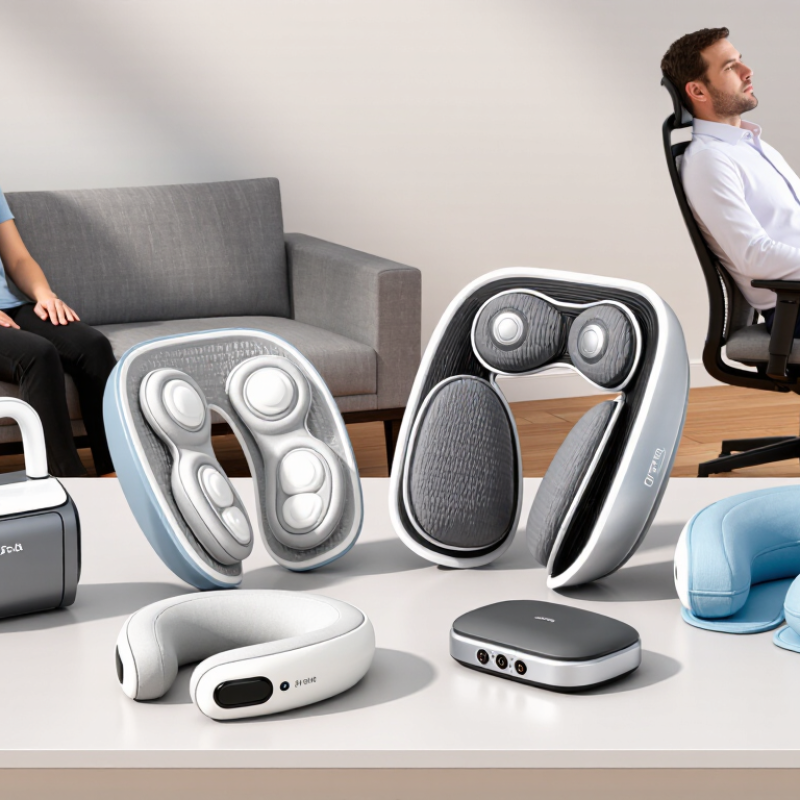
A shiatsu neck and back massager is a home-use device designed to imitate Japanese shiatsu massage. It uses rotating nodes, kneading heads, or pressure points against the body. Some models add vibration or gentle heat. The sensation should feel firm, not sharp. During hands-on testing, your muscles may loosen around the shoulders and lower spine. However, the device cannot identify nerve pain, disc problems, or poor posture. It is a comfort tool, not a medical diagnosis.
The need is substantial. The World Health Organization reported that lower-back pain affected about 619 million people worldwide in 2020. That number may reach 843 million by 2050. WHO also describes lower-back pain as a leading cause of disability.
Still, massage evidence remains limited for some conditions. The National Center for Complementary and Integrative Health notes that massage may provide short-term relief for certain types of low-back pain. Results vary between users. That matters.
Tips: Check the pressure pattern before buying. A device with adjustable intensity suits sensitive shoulders better. Look for a stable fit around your neck and clear heat controls. Avoid placing strong pressure directly on the spine. Stop if you feel numbness, dizziness, bruising, or worsening pain. People with recent injuries, circulation problems, pregnancy concerns, or implanted medical devices should seek professional medical advice first. Reviews help, but personal testing tells you more.
Choosing the best shiatsu neck and back massager starts with your daily discomfort, not the number of settings. If your shoulders feel tight after desk work, rotating kneading nodes may imitate firm thumb pressure. A gentle rolling mode can suit sensitive muscles. For lower-back fatigue, look for broad coverage and an adjustable strap. Small details matter.
Heat can feel soothing after a cold commute, but it should remain mild and controllable. A useful timer may prevent falling asleep with the device running. Check whether the controls are easy to reach while seated.
If you need frequent sessions, moderate intensity may be more practical than the strongest setting. Powerful is not always better.
Your body should guide the choice. Begin with five to ten minutes and assess the next morning. The first session may feel slightly tender. Sharp pain is different.
Stop immediately if discomfort increases, numbness appears, or skin becomes unusually hot. Avoid pressing directly on the front of your neck. People with circulation problems, recent injuries, unexplained pain, or pregnancy should ask a qualified healthcare professional before use.
I once assumed deeper pressure meant better relief, but that was not always true. Personal comfort can be harder to measure than advertised features. Choose the settings you can use safely and consistently.
Comfort should guide your decision, not just massage intensity. A practical home test can reveal pressure points within ten minutes. Check whether the neck nodes fit your shoulder width without forcing your head forward. Soft, breathable padding helps during longer sessions, especially after desk work. However, very soft padding may reduce the focused pressure some users prefer. That trade-off deserves honest attention.
Coverage matters because people carry tension differently. Look for moving nodes that reach the upper back, lower back, or both areas. Some devices massage only a narrow central strip. Others offer wider contact through adjustable flaps or shoulder panels.
A heated area can feel soothing, but warmth should remain gentle and evenly distributed. Stop if the skin feels too hot, numb, or irritated.
Test the massager over a thin shirt first. Sit upright, then slightly recline. Check whether the nodes stay aligned when you move. Adjustable speed and direction are useful, but more settings do not guarantee better treatment. Read the safety guidance carefully, particularly if you have reduced sensation, persistent pain, or a medical condition. A device may feel impressive in a short trial yet become uncomfortable later. Reconsider your choice after repeated use.
How to Choose the Best Shiatsu Neck and Back Massager 2026?
Safety should matter more than intense kneading. The World Health Organization estimates that 619 million people experienced low back pain in 2020. This number may reach 843 million by 2050. However, a massager is not a medical treatment. Choose adjustable pressure, separate heat control, and automatic shutoff. A clear manual should explain safe session times. Avoid use over damaged skin, unusual swelling, or areas with reduced sensation. Consult a healthcare professional if you have a serious condition, pregnancy concerns, or an implanted device.
Quality appears in small details. Look for evidence of testing against IEC 60335-1 and IEC 60335-2-32 household appliance safety standards. A safety logo alone is not enough. Check the rated duty cycle, cord strain protection, stitching, and ventilation openings. The Global Wellness Institute reported a 6.3 trillion dollar wellness economy in 2023. That growth shows strong demand, not guaranteed product quality. My own checklist would still miss something. Product testing is never perfect.
Tips: Run the massager for five minutes first. Check unusual heat, smell, vibration, or noise. The motor should move smoothly. Keep receipts and warranty terms. Prefer repairable parts over decorative features. Replace the unit after damaged wiring appears. Don’t chase maximum pressure. Pain is not proof of performance.
How to Choose the Best Shiatsu Neck and Back Massager 2026?
When comparing prices, I calculate the complete ownership cost, not only the checkout amount. A low sticker price can hide shipping, replacement covers, or short warranty periods. I record the purchase price, return window, warranty length, and expected service costs. Then I compare those figures with the device’s massage coverage and adjustment options. Price alone misleads.
Maintenance affects comfort and safety over time. Look for removable, washable covers and clear cleaning instructions. Inspect the power cord, massage nodes, heating controls, and fastening straps before every use. A detailed manual shows stronger engineering discipline. I once overlooked a difficult-to-clean seam, and dust collected there quickly. That small detail changed my next buying decision.
User support deserves equal attention. Check whether support provides a real email, telephone option, operating hours, and troubleshooting guides. Ask how replacement parts are ordered and whether technicians explain faults clearly. I prefer support pages that list response times and warranty conditions in plain language. User reviews reveal practical problems, but they are not technical proof. Independent testing and documented safety information carry more weight. Still, even careful comparisons have limits; comfort depends on body shape, pressure tolerance, and daily use. Expect some trial and error.
| Product Profile | Typical Street Price | Massage Coverage | Massage Functions | Heat Function | Power & Portability | Cleaning and Maintenance | Warranty / User Support | Average User Rating* | Best For |
|---|---|---|---|---|---|---|---|---|---|
| Compact Neck Wrap Massager | US$35–60 | Neck, shoulders, and upper back | 4 rotating massage heads; two direction settings; manual intensity control | Built-in warming function, usually around 40–45°C | AC adapter; approximately 1.0–1.5 kg; suitable for home or office use | Wipe with a slightly damp cloth; keep the fabric cover dry; allow the unit to cool before storage | Usually 1-year limited warranty; email or online form support is common | 4.1/5 | Buyers seeking an affordable neck and shoulder solution |
| Adjustable Neck and Upper-Back Shiatsu Massager | US$60–100 | Neck, shoulders, upper back, and lower back with repositioning | Deep-kneading nodes; selectable clockwise and counterclockwise rotation; adjustable arm straps | Optional heat with automatic temperature regulation | AC adapter; approximately 1.5–2.0 kg; portable between rooms | Inspect seams and straps regularly; clean the removable cover according to its care label; avoid excessive pressure on the mechanism | Commonly 1-year warranty; replacement-part availability varies by seller | 4.2/5 | Users wanting better positioning and more control over massage pressure |
| Full-Back Shiatsu Cushion | US$90–150 | Neck, upper back, lower back, and seat area | Vertical rolling track; spot massage; vibration seat; selectable massage zones | Heat is typically available for the back area, not always for the neck | AC adapter; approximately 3.0–5.0 kg; designed mainly for use on a chair | Use on a stable chair; keep the motor vents unobstructed; vacuum or brush fabric surfaces; store flat or upright as instructed | Often 1–2 years of limited warranty; telephone, email, or live-chat support may be available | 4.3/5 | People who need wider back coverage during desk work or relaxation |
| Premium Full-Body Massage Cushion | US$150–250 | Neck, shoulders, full back, lumbar region, and seat | Programmable massage zones; rolling and kneading modes; multiple intensity levels; remote control | Separate lumbar heat control is commonly included | AC adapter; approximately 5.0–8.0 kg; limited portability due to size | Check the track for trapped objects; clean detachable covers as directed; avoid folding the internal frame; inspect cables periodically | Typically 1–2 years of limited warranty; stronger models usually offer phone and email assistance | 4.4/5 | Frequent users who prioritize coverage, programming, and comfort |
| Cordless Travel Neck Massager | US$45–85 | Neck, shoulders, and small upper-back areas | Compact kneading nodes; two rotation directions; simple one-button controls | Heat is uncommon or limited because of battery consumption | Rechargeable battery; approximately 0.8–1.3 kg; typical runtime of 60–120 minutes per charge | Charge only with the supplied cable or a compatible adapter; keep the charging port dry; recharge every few months during long-term storage | Usually 1-year limited warranty; battery replacement may not be available | 4.0/5 | Travelers and users who prefer cordless operation |
| Entry-Level Manual-Control Shiatsu Pillow | US$25–45 | Targeted neck, shoulder, or lower-back areas | Basic kneading action; limited controls; fixed massage speed | Optional low-temperature heat on selected models | AC adapter; approximately 0.8–1.2 kg; easy to move and store | Keep the pillow away from liquids; wipe the exterior only; do not use continuously beyond the recommended session time | Often 6–12 months of limited warranty; support is generally seller-based | 3.9/5 | First-time buyers with a limited budget |
*Rating figures are representative market averages for comparable product categories and may vary by retailer, region, model revision, and review volume. Prices are typical U.S. retail ranges before tax, shipping, discounts, and extended warranty costs.