You have successfully logged out.

How to Choose the Right Air Jack Hammer?

Choosing the right Air Jack Hammer starts with the work, not the product label. A compact tool may suit brick removal, while heavy concrete demands higher impact energy and stable air delivery. Grand View Research’s Pneumatic Tools Market Size, Share & Trends Analysis Report identifies construction, mining, and metalworking as major pneumatic-tool applications. These environments impose different demands on power, durability, and operator control.

Air supply is often underestimated. Check the hammer’s required CFM, operating pressure, hose diameter, and compressor recovery time before comparing models. A narrow hose can weaken performance, even when the compressor appears powerful. OSHA’s occupational noise standard uses 90 dBA for an eight-hour permissible exposure limit, while NIOSH recommends 85 dBA as a more protective limit. Hearing protection and vibration control therefore belong in the selection process, not as afterthoughts.

Look closely at tool weight, handle design, retainer strength, lubrication access, and available chisel shapes. Field technicians frequently report that fatigue appears before mechanical failure. That detail matters on a long shift. The right Air Jack Hammer should deliver consistent blows without forcing the operator to fight the machine. No choice is perfect. A lighter hammer may improve control but reduce productivity on dense concrete. A larger model may increase output but demand better posture, maintenance, and air capacity. This guide uses manufacturer specifications, workplace safety guidance, and practical jobsite considerations. Still, specifications can mislead when tested under ideal conditions. Verify them against your compressor, material, and actual working environment.
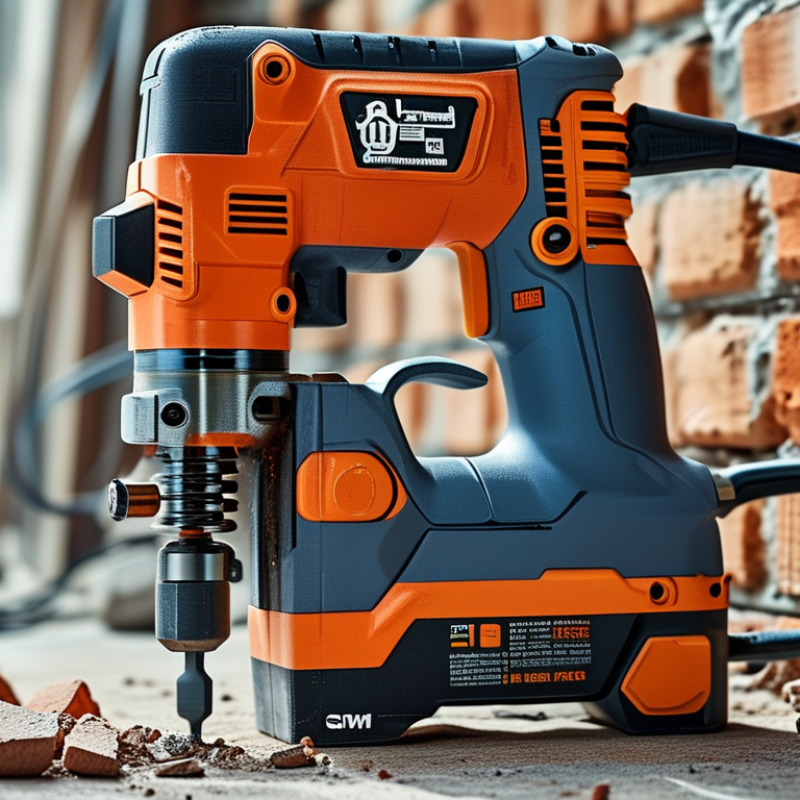
How to Choose the Right Air Jack Hammer?

What an Air Jack Hammer Is and How It Works

How to Choose the Right Air Jack Hammer?

What an Air Jack Hammer Is and How It Works

An air jack hammer is a pneumatic demolition tool that converts compressed air into repeated piston movement. Air enters the cylinder and drives a piston forward. The piston strikes the bit, then returns for another impact. This cycle can produce hundreds of blows per minute, depending on the tool’s design and air supply.

Choosing one requires more than checking pressure. Many models operate near 90 psi, but their air consumption can vary sharply. The U.S. Department of Energy reports that compressed-air systems may consume 10–30% of industrial electricity. An undersized compressor can therefore reduce impact strength and increase operating costs.

Check the tool’s cubic feet per minute requirement, hose diameter, duty cycle, and coupling size before purchase.

Vibration and Bit Compatibility

Vibration deserves equal attention. NIOSH research links repeated hand-arm vibration exposure with circulation and nerve problems. Select a model with measured vibration data under ISO 28927-10, not vague comfort claims. Bit compatibility also matters. A narrow moil point suits concrete breaking, while a wider chisel supports asphalt and masonry work.

I have seen buyers focus on maximum impact energy and overlook hose pressure loss. That choice looks efficient on paper, but performance often weakens several meters from the compressor. Personal protective equipment helps, though it cannot correct a poor tool-to-material match.

Key Specifications to Match With Your Project

How to Choose the Right Air Jack Hammer?

Key Specifications to Match With Your Project

Choosing an air jack hammer starts with the material, not the tool’s appearance. Concrete, asphalt, and compacted soil demand different impact performance. Check the required operating pressure, usually listed in bar or psi. Then compare air consumption in cubic feet per minute. Your compressor must supply that volume continuously, not briefly. A weak air supply causes slow impacts and uneven results. I have seen operators blame the hammer when the compressor was the real limitation.

Impact rate and impact energy also shape productivity. A high impact rate may suit thin concrete or surface breaking. Heavier impact energy works better on dense slabs and stubborn masonry. Match the shank size to your available bits. A larger shank can handle demanding work, but it also increases tool weight. That matters during long overhead or vertical tasks. Small details matter.

Consider weight, grip design, vibration level, and hose diameter before ordering. A lighter model improves control, yet it may remove material more slowly. Check the manufacturer’s vibration data and follow local exposure guidance. Select a hose that supports the hammer’s air demand without excessive pressure loss. Keep the hose short when practical. In real projects, specifications can mislead if conditions change. Cold air, long hoses, and poor maintenance reduce performance. Test the complete setup on a small section, then adjust pressure and bit choice before full production.

Choosing the Right Hammer by Material and Application

How to Choose the Right Air Jack Hammer?

Choosing the right air jack hammer starts with the material beneath the tool. Concrete needs strong impact energy and a sharp, durable point. Asphalt usually requires a wider chisel for controlled breaking and surface repair. Softer masonry may need less force, reducing unnecessary damage and operator fatigue. Rock is different. Hard, dense stone demands a heavier hammer, but only when the air compressor can maintain steady pressure.

Application also determines the tool’s size and working style. A compact hammer suits narrow trenches, wall edges, and short repair jobs. A larger model removes thick concrete faster, yet it can become tiring during overhead work. Check the required air pressure and air consumption before purchase. A tool may appear powerful in a catalog, but poor compressor output will cause slow, uneven blows. Test the hammer with the intended chisel when possible.

I have found that vibration control matters more than many buyers expect. After several minutes, an uncomfortable grip affects accuracy and safety. Drain moisture from the airline, inspect fittings, and keep chisels properly secured. Small details matter. A heavier tool is not always better. I once selected a high-impact hammer for a confined repair and lost time managing its recoil. That choice worked on paper, but not on site. Allow room for reconsideration. Material thickness, access, work duration, and operator strength should guide the final decision.

Evaluating Air Supply, Weight, Size, and Operator Comfort

How to Choose the Right Air Jack Hammer?

Evaluating Air Supply, Weight, Size, and Operator Comfort

Start by checking the air compressor, not the hammer. A tool may require 90 cubic feet per minute, while your compressor supplies only 70. That mismatch causes weak impacts, slow work, and unnecessary heat. Confirm pressure, airflow, hose diameter, and hose length before choosing. A long, narrow hose can reduce performance at the work face. In my experience, this detail is often ignored.

Weight affects control more than many buyers expect. A heavier hammer can break dense concrete, but it may quickly strain the shoulders and lower back. A lighter model offers easier positioning, especially during wall or overhead work. However, very light tools can vibrate sharply and feel less stable. That trade-off deserves a practical test.

Size also matters in confined areas. Measure the working space around pipes, corners, and reinforcement before purchase. The operator should hold the tool without twisting the wrists. Controls must remain reachable with gloved hands. Vibration reduction helps, but it does not remove fatigue. Take short trial periods seriously. Five comfortable minutes can reveal problems that specifications hide.

I once focused too much on impact power and underestimated grip comfort. That decision looked efficient, but it slowed the crew by midday. A suitable air jack hammer balances airflow, breaking force, access, and human endurance.

Comparing Safety Features, Maintenance Needs, and Total Cost

Choosing an air jack hammer means comparing safety, maintenance, and total cost together.

Noise is an immediate concern. OSHA sets an 8-hour permissible exposure limit at 90 dBA, while NIOSH recommends 85 dBA. Many pneumatic tools exceed these levels at the operator’s ear. Use hearing protection, measured noise checks, and shorter operating cycles. A quieter tool can reduce fatigue, though “quiet” should never be accepted without test data.

Vibration also deserves close attention. The EU vibration directive identifies 2.5 m/s² as the daily action value and 5.0 m/s² as the exposure limit for hand-arm vibration. Check the manufacturer’s measured vibration value, then estimate real trigger time. Gloves alone are not enough. Operators need rotation, warm breaks, and proper tool pressure. I have seen workers press harder when the bit dulls. That increases vibration and slows production.

Maintenance affects the bill quietly. Drain filters, inspect hoses, lubricate correctly, and replace worn retainers before failure. The U.S. Department of Energy reports that compressed-air leaks can waste 20–30% of compressor output. That loss appears as higher electricity use, not always as a repair invoice. Compare purchase price, air consumption, compressor capacity, consumables, downtime, and technician hours. A simple cost-per-hour worksheet is useful. It is not perfect. Site conditions change. Still, a hammer needing frequent seal replacement may cost more than a cheaper-looking alternative. OSHA, NIOSH, and DOE guidance should support the evaluation, not replace hands-on trials.

Article Source: