2026 How to Choose the Best Suture Needles for Your Needs?
Choosing the right suture needles is crucial in surgical procedures. Suture needles come in various types and sizes, impacting both the outcome and the experience of the surgeon. According to the American College of Surgeons, selecting the appropriate needle can reduce tissue trauma and improve healing time. Surgeons often rely on their expertise and specialized training to make informed decisions.
Industry reports highlight that there are over 100 different types of suture needles available. Each is designed for specific tasks, whether in delicate procedures or more robust surgeries. The choice of needle affects not only the procedure but also patient recovery. Misjudgments in selection can lead to complications, prompting a need for reflection.
Incorporating surgical precision requires understanding both the technical specifications and the surgical context. Many surgeons face challenges in distinguishing between the options available. Evaluating suture needles involves considering their curvature, size, and material. Providing the best care means continually reassessing these choices in practice.
Understanding Suture Needles: Types and Their Specific Uses
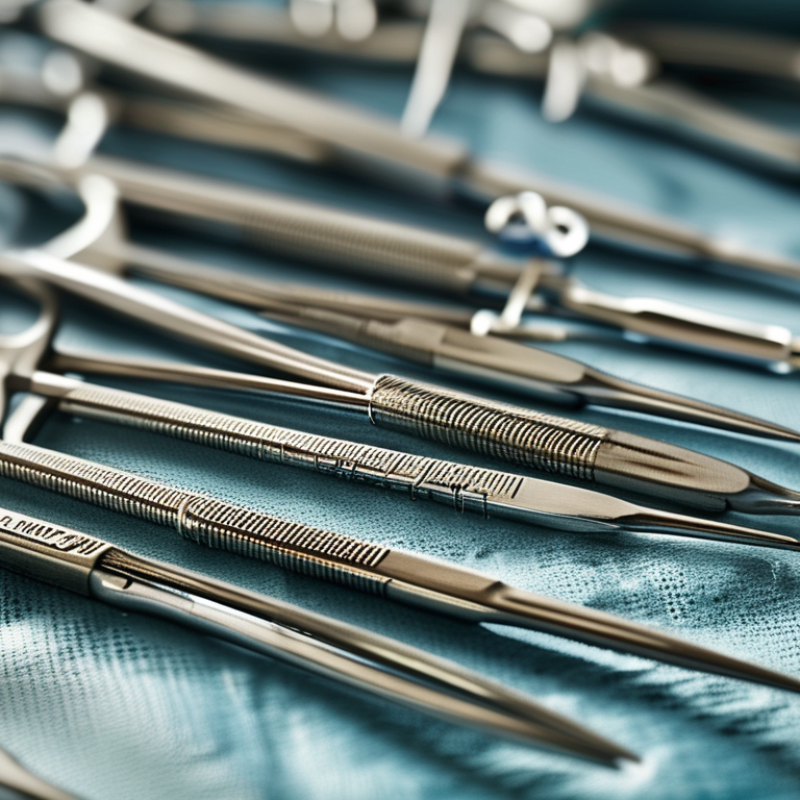
When it comes to suture needles, understanding the different types is essential. Each needle type has specific applications tailored for various procedures. For example, curved needles are ideal for suturing in tight spaces, while straight needles work well for general sewing. Coated needles can reduce tissue drag, improving the ease of suturing.
Selecting the right needle can directly impact your results. Consider the material being sutured. For delicate tissues, a smaller needle with a sharp point is preferable. On the other hand, tougher tissues might require a larger, more durable needle. Familiarity with these nuances is crucial in practice.
Tips: Always check the needle size before starting. This small detail can affect your suturing efficiency. Additionally, review past experiences with different needles. Reflecting on what worked or didn't can lead to better choices in the future. Don't hesitate to experiment with various options to find the best fit for your needs.
Factors to Consider When Choosing Suture Needles
Choosing the right suture needle is vital for achieving optimal surgical outcomes. Several factors come into play when selecting a needle. Understanding the type of tissue being sutured is crucial. Different tissues have varying thickness and elasticity, which affect needle choice. For instance, delicate tissues like skin require finer needles, while denser tissues, like fascia, may need sturdier versions.
Needle size is another critical consideration. According to industry reports, a significant percentage of surgical complications arise from improper needle selection. Thus, selecting a needle that complements the suturing technique is essential. The curvature of the needle impacts maneuverability in tight spaces. A half-circle needle provides excellent control for precise stitching.
Tip: Always keep a close eye on the needle's gauge. Thinner needles may be more delicate but cause less tissue trauma. Another tip is to evaluate the needle point type, as sharp points create cleaner incisions. It is beneficial to have a variety of needles on hand, as surgical situations can change quickly. Reflecting on previous surgeries can provide great insights into choosing the right needle for future procedures. Consider documenting outcomes based on the needle used to build a personalized selection guide.
Material Composition: Impact on Needle Performance and Tissue
When selecting suture needles, the material composition greatly influences their performance and interaction with tissue. Stainless steel is a common choice, known for its strength and resistance to corrosion. However, it may not always provide the flexibility needed for delicate procedures. On the other hand, needles made from titanium alloy offer enhanced flexibility. This can be crucial during suturing in tough-to-reach areas.
Selecting the right needle also involves considering the specific type of tissue being sutured. For example, softer tissues may require a needle that easily penetrates without tearing. The finer the needle, the less trauma it inflicts, which can lead to faster healing times.
**Tip:** Always assess the tissue type before needle selection. It can save time and avoid complications.
Furthermore, reflect on how different materials alter suturing techniques. Some users find that certain needles glide better through tissue. This realization can lead to a more comfortable and efficient suturing experience.
**Tip:** Experiment with multiple needle types in practice settings. Understanding nuances in performance can improve your skill set.
Ultimately, the choice of suture needle represents a balance between material properties and procedural needs. Consider your own experiences and preferences when making this crucial decision.
2026 How to Choose the Best Suture Needles for Your Needs?
| Needle Type |
Material Composition |
Needle Size (mm) |
Recommended Use |
Performance Characteristics |
| Cutting Needle |
Stainless Steel |
19 |
Skin Closure |
Sharp tip for easy penetration |
| Round Body Needle |
Carbon Steel |
25 |
Subcutaneous Tissue |
Flexible for better maneuverability |
| Taper Point Needle |
Coated Stainless Steel |
30 |
Internal Suturing |
Minimizes tissue damage |
| Suture Ligature Needle |
Titanium |
18 |
Vascular Surgery |
Lightweight and strong |
| Blunt Needle |
Stainless Steel |
22 |
Kidney or Liver Suturing |
Reduces risk of puncturing organs |
Needle Sizes and Shapes: Matching to Surgical Requirements
Choosing the right suture needle is critical for optimal surgical outcomes. Different surgical procedures require specific needle sizes and shapes. For example, a recent report from the American College of Surgeons indicates that curved needles are often preferred for suturing tissues that are not easily accessible. Meanwhile, straight needles are commonly used in procedures where precision is paramount.
When selecting a needle, consider both the diameter and the shape. A study published in the Journal of Surgical Research found that smaller gauge needles reduce tissue trauma significantly. However, using a needle that is too small can lead to insufficient strength in the sutured area. Surgical professionals often rely on size charts that categorize needles by both diameter and length to match them appropriately to the procedure at hand.
Surgeons sometimes struggle with this match. It’s easy to overlook the significance of the needle's curvature or the material composition. This inconsistency can affect healing time and the overall surgical result. Careful evaluation of these factors can lead to improved patient care and outcomes. Always be open to reassessing your choices based on specific surgical requirements and patient needs.
Choosing the Best Suture Needles for Your Needs
This bar chart illustrates the usage percentage of different types of suture needles in surgical procedures. Understanding the distribution can help in selecting the appropriate needle type for specific surgical requirements.
Best Practices for Handling and Storing Suture Needles
Proper handling and storing of suture needles is crucial for maintaining their integrity and performance. According to a study by the Journal of Surgical Research, improper storage can significantly compromise needle sharpness, leading to increased tissue trauma during procedures. Storing needles in a dry, clean environment protects them from rust and degradation. Consider using a dedicated container with compartments to prevent contact with other instruments.
Moreover, it’s essential to routinely inspect your suture needles. Look for signs of wear or bending. In a recent report by the American College of Surgeons, over 30% of surgical complications are linked to the use of damaged instruments. This highlights the importance of regularly evaluating the condition of your needles. Proper handling techniques, such as holding the needle only by the hub, can prevent unintentional damage.
Additionally, many groups recommend that suture needles be kept at a controlled room temperature. Extremes in temperature can affect both the material properties of the needle and the suture material. According to the American Institute for Medical and Biological Engineering, appropriate storage practices can improve longevity by up to 40%. Implementing effective storage and handling techniques can significantly enhance surgical outcomes.