Top 10 Analytical Balance Models for Accurate Measurements?
Accurate measurements are crucial in laboratories, and the choice of equipment is paramount. An Analytical Balance is an essential tool for researchers and scientists. It ensures precision in weight measurements, which can significantly influence experimental outcomes.
In selecting the right Analytical Balance, one must consider various factors, such as capacity, readability, and features. Each model offers unique advantages but may also fall short in specific aspects. For instance, some balances may be extremely sensitive but lack durability. Others could be robust yet offer less accuracy.
This article presents the top 10 Analytical Balance models currently available. Each model is evaluated based on performance, user feedback, and reliability. Choosing the right balance requires careful thought and evaluation of your specific needs. Consider how each model aligns with your goals. An informed choice can enhance your research efficiency and lead to more dependable results.
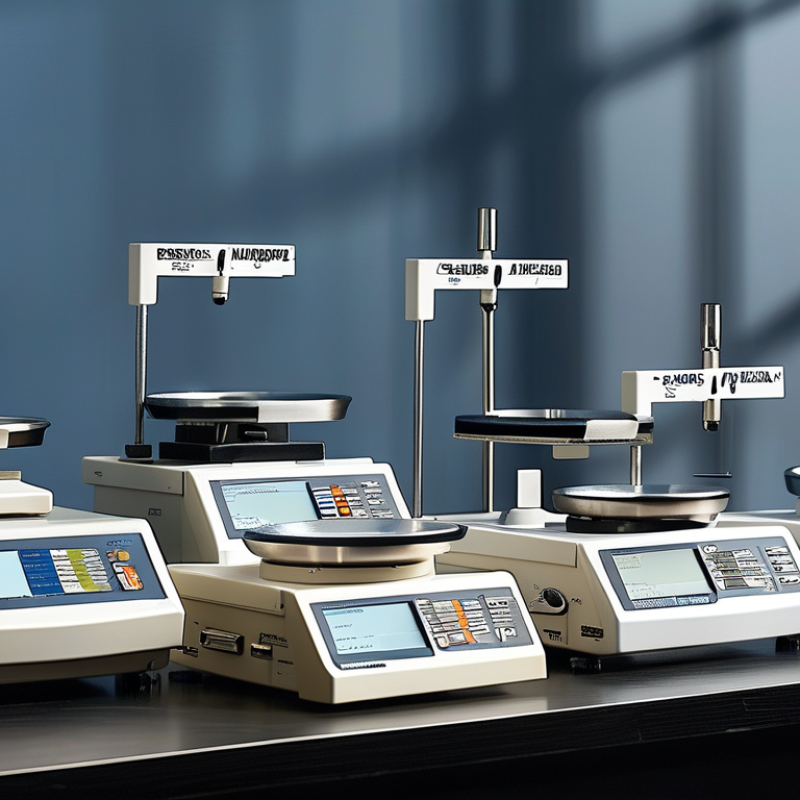
Key Features to Consider When Choosing an Analytical Balance
When selecting an analytical balance, key features greatly influence precision. The readability of a balance typically falls between 0.1 mg and 0.001 mg. It's crucial for achieving reliable results in analytical laboratories. A balance with a readability of 0.01 mg might suffice for general use but won't meet the standards required for high-precision tasks. Calibration capabilities are essential. Most modern analytical balances provide built-in calibration functions. Regular calibration ensures accuracy over time, aligning with industry standards.
Environmental factors can also impact measurements. An analytical balance must have draft shields and vibration isolation to reduce errors. Industry reports suggest that approximately 30% of measurement errors arise from external disturbances. So, a balance that incorporates advanced stability controls can effectively minimize these issues.
Finally, user interface and data management features cannot be overlooked. A balance equipped with touchscreen displays and easy data transfer options enhances usability. However, this complexity might be overwhelming for less experienced users. Choosing a balance that balances sophistication with user-friendliness becomes crucial. Thoughtfully considering these factors can lead to more informed decisions when investing in an analytical balance.
Top 10 Analytical Balance Models for Accurate Measurements
This bar chart displays the maximum capacity of various analytical balance models, helping users to compare their performance in terms of measurement accuracy and capability.
Top 10 Analytical Balance Models for Precision and Accuracy
When it comes to analytical balances, precision and accuracy are paramount. These instruments ensure reliable measurements in various scientific fields. Professionals rely on them for experiments, calibration, and quality control. The right model can drastically affect results and data integrity.
Several key features define a high-quality analytical balance. A draft shield can help mitigate environmental disturbances, leading to more accurate readings. Additionally, the readability of the display plays a crucial role. A clear and precise display minimizes the risk of misinterpretation. Calibration options should be simple yet effective, allowing for regular checks.
However, selecting the ideal model is not always straightforward. Users may overlook the importance of regular maintenance and recalibration. Some balances may require more frequent checks than others. Understanding these nuances is essential for maintaining accuracy over time. Each balance has its unique strengths and weaknesses that need reflection. Choosing wisely is integral, but nobody's perfect in this process.
Top 10 Analytical Balance Models for Precision and Accuracy
| Model | Capacity (g) | Readability (mg) | Calibration | Price (USD) |
| Model A | 200 | 0.1 | Automatic | 750 |
| Model B | 300 | 0.01 | Manual | 900 |
| Model C | 150 | 0.1 | Automatic | 650 |
| Model D | 500 | 0.001 | Automatic | 1200 |
| Model E | 200 | 0.01 | Manual | 800 |
| Model F | 1000 | 0.1 | Automatic | 1500 |
| Model G | 250 | 0.01 | Manual | 700 |
| Model H | 300 | 0.1 | Automatic | 1000 |
| Model I | 400 | 0.001 | Automatic | 1250 |
| Model J | 600 | 0.01 | Manual | 1100 |
Detailed Reviews of Each Analytical Balance Model
When selecting an analytical balance, accuracy is crucial. These instruments measure mass with exceptional precision, vital for laboratories and research facilities. Each model has unique features that cater to diverse needs. Some balances offer advanced readability, while others provide user-friendly interfaces or innovative calibration systems.
One model may feature a draft shield for enhanced accuracy in fluctuating environments. Alternatively, another might have intuitive touch screens that simplify operations. The durability and stability of the balance also vary. In practice, some users find that even the most reliable balances can drift over time, necessitating regular calibration. These nuances are essential for achieving optimal performance.
User reviews often highlight both strengths and weaknesses. Some find the responsiveness of certain models lacking. Others appreciate the build quality, but mention issues with specific components. An analytical balance should inspire confidence, but even excellent models require careful handling and regular maintenance. Understanding the features and limitations of each model is vital for making informed choices.
Comparison of Pricing and Features Among the Top Models
When selecting an analytical balance, it's essential to weigh both pricing and features. A range of options exists, each catering to different needs. Some balances are compact, perfect for small labs. Others offer advanced connectivity for data logging. Prices can widely vary, so understanding what you need is crucial.
Accuracy is a key feature to consider. Some models boast a readability of 0.0001 grams, ideal for precise measurements. Such models often come at a higher price point. However, mid-range balances still provide reliable accuracy. The user experience can also differ significantly. Look for models with intuitive interfaces or touch screens.
Durability plays a crucial role in your investment. More expensive models usually use robust materials. These can withstand regular use in busy environments. Balance calibration features vary too. Regular calibration checks are vital for reliable results. Make sure your chosen model offers easy calibration options to maintain accuracy over time.
User Feedback and Reliability Ratings for Each Balance Model
When selecting an analytical balance, user feedback plays a crucial role. Users often express concerns about the balance's accuracy and reliability. Many model reviews highlight the importance of consistent measurements. A small error can lead to significant consequences in results. Several users noted that some models drift over time, affecting data quality. Regular calibrations can mitigate this issue, but it's an added task.
Reliability ratings often reflect real-world experiences. Users frequently emphasize the durability of their chosen models. A balance that shows wear and tear may not offer precise results. Frequent complaints include issues with the display. In some models, users found that the digital interface could lag. This can lead to frustration in busy labs. Observing user ratings, it becomes clear that price does not always correlate with performance. Some of the most cost-effective models received higher satisfaction scores.
Feedback often suggests enhancements for future designs. Many users wish for better features, such as improved stability and faster response times. While modern balances offer impressive technology, there is still room for improvement. User experiences showcase the need for manufacturers to prioritize reliability. Balances that meet user expectations foster trust in their measurements. That trust is essential for any laboratory's success.