Top Food Additives You Should Know for Global Sourcing?
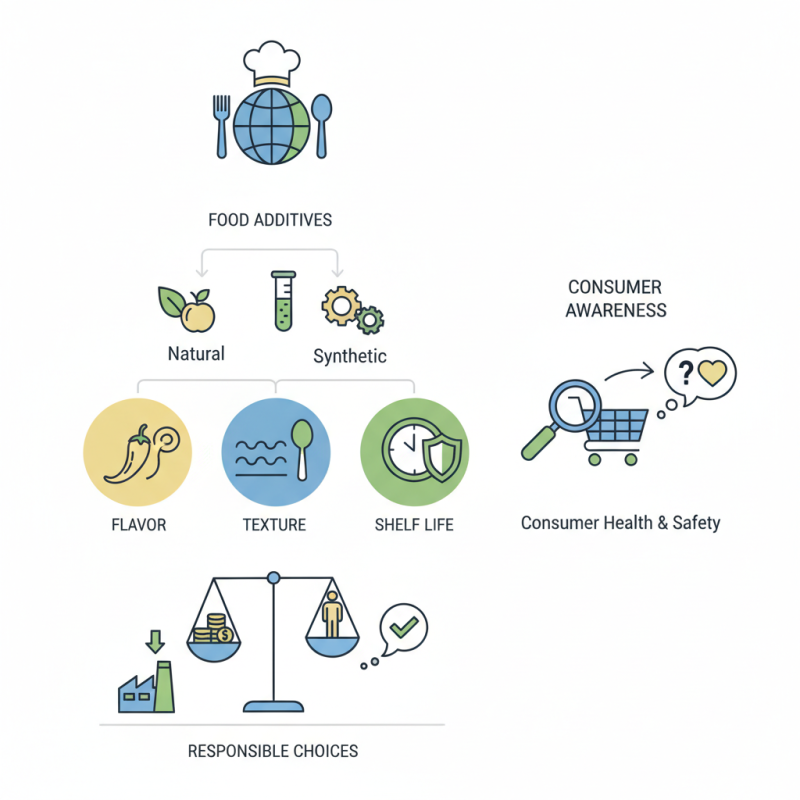
In the complex world of food sourcing, understanding Food Additives is crucial. These substances enhance flavor, texture, and shelf life. However, they also raise questions about health and safety. Many consumers are becoming more aware of what they eat. This shift requires companies to make informed decisions in sourcing ingredients.
Food additives play a significant role in food production. They include preservatives, colorings, and flavor enhancers. Some additives are natural, while others are synthetic. Knowing the differences is vital for transparency. Many people want to avoid certain chemicals, impacting purchasing decisions. Failing to address these concerns may harm a brand's reputation.
As we explore food additives, we need to reflect on their implications. Are we prioritizing safety and quality in sourcing? Companies often face pressure to minimize costs. This can lead to using inferior additives. Striking a balance between cost-effectiveness and consumer health should be a primary focus. Understanding food additives empowers businesses to make responsible choices.
Top 10 Food Additives Used Globally in Food Manufacturing
Food additives play a crucial role in global food manufacturing. They enhance flavor, improve preservation, and modify texture. According to a report from Research and Markets, the global food additives market is expected to reach approximately $127 billion by 2025. Understanding key additives is essential for sourcing decisions.
One of the most widely used food additives is monosodium glutamate (MSG). It's primarily used to enhance umami flavors in savory dishes. Citric acid is another common additive. Extracted from citrus fruits, it acts as a preservative and pH regulator. Meanwhile, sodium benzoate serves as a powerful preservative in acidic foods and beverages.
Tip: Always check for additives in product labels. Educate yourself on potential sensitivities or allergies to specific ingredients.
Emulsifiers like
lecithin are essential for improving the texture and stability of products like salad dressings and chocolates. They help keep ingredients mixed, preventing separation. However, the use of additives brings some controversy, as consumer awareness regarding health impacts grows.
Tip: Research reputable studies on food additives. Not all additives are harmful, but being informed is key.
As food manufacturers prioritize clean labels, acceptance of additives may shift. The ongoing debate around their safety and necessity challenges both producers and consumers to reflect on current practices and the future of food sourcing.
Understanding Regulatory Standards for Food Additives Worldwide
Regulatory standards for food additives vary significantly across countries. In the United States, the FDA oversees food additives, requiring safety assessments before approval. On the other hand, the European Union employs a rigorous process under EFSA, focusing on consumer health and environmental sustainability. These differences can impact sourcing strategies for global supply chains.
According to a report by the Food Safety Authority, around 80% of global food additives are synthetically produced. This raises questions about their long-term health effects and environmental impact. For instance, some synthetic additives may not be fully evaluated in diverse populations. Manufacturers must navigate these regulatory landscapes carefully to ensure compliance and protect consumer health.
Understanding local regulations is crucial. A study by the International Institute of Food Science and Technology found that 60% of food recalls are linked to labeling errors related to additives. This highlights the need for clear documentation and awareness of local requirements. Companies must prioritize knowledge of regional standards to minimize risks and foster consumer trust.
Impact of Food Additives on Consumer Health and Safety
Food additives are a major concern for consumer health and safety. Studies indicate that over 80% of processed foods contain some form of additives. These substances, including preservatives, flavor enhancers, and emulsifiers, can impact how our bodies respond to food.
Research from the Food Standards Agency highlights that certain additives, like aspartame and MSG, may cause adverse effects in sensitive individuals. Reports suggest that approximately 5% of the population experiences reactions to these ingredients. Awareness is crucial for consumers, especially as many do not read ingredient labels thoroughly. Some studies reveal that consumers often underestimate the potential risks associated with food additives.
Moreover, the long-term health implications of consuming various additives remain unclear. Emerging research suggests that some additives may disrupt gut health or lead to metabolic issues. A survey conducted by the Food Safety Network revealed that 44% of consumers are concerned about food additives. This statistic underscores the need for transparency and clear labeling in the food industry.
Top Food Additives You Should Know for Global Sourcing
| Additive | Common Use | Potential Health Concerns | Regulatory Status |
| Sodium Benzoate | Preservative in acidic foods | Allergic reactions, hyperactivity | Generally recognized as safe (GRAS) |
| Monosodium Glutamate (MSG) | Flavor enhancer | Headaches, sensitivity in some individuals | Approved for use |
| Ascorbic Acid | Antioxidant, preservative | Minimal, safe in normal amounts | GRAS |
| Carrageenan | Thickener and stabilizer | Digestive issues in some cases | Approved for use |
| High Fructose Corn Syrup | Sweetener | Obesity, metabolic issues | Generally recognized as safe (GRAS) |
Trends in Natural and Organic Food Additives in Global Markets
Natural and organic food additives are trending globally. Consumers are more aware of food quality. According to a 2021 Grand View Research report, the global natural food additives market is expected to reach $29.6 billion by 2028, growing at a CAGR of 5.6%. This increasing demand reflects a shift towards healthier, cleaner eating habits.
Plant-based additives like natural colorants and preservatives are gaining traction. A Mintel survey showed that 60% of consumers prefer products with fewer synthetic ingredients. These preferences highlight the need for transparency in food sourcing. However, the challenge remains. Sourcing high-quality natural additives can be difficult. Quality can vary significantly. Inspecting suppliers is crucial for ensuring consistency.
Furthermore, regulatory pressures are rising. Governments are tightening rules surrounding food safety and labeling. This can complicate global sourcing strategies. The FDA and EFSA are examples of authorities enforcing stricter guidelines. Companies must navigate these complexities while meeting consumer expectations. Balancing these factors requires expertise and careful strategy.
Economic Implications of Food Additives on Sourcing Strategies
Food additives play a crucial role in global sourcing strategies. According to a report from the Food and Agriculture Organization, the global food additive market is estimated to reach $50 billion by 2025. This growth signals significant economic implications for manufacturers and suppliers alike. Understanding these additives is essential for optimizing sourcing decisions.
One major factor is cost management. Additives can enhance product stability and shelf life, reducing waste. For instance, using preservatives can prolong a product's viability without refrigeration. However, not all additives are created equal. As consumer preferences shift toward natural ingredients, sourcing strategies must adapt. Reports indicate a 23% increase in demand for clean-label products, showing a clear trend toward transparency.
Navigating sourcing means weighing these emerging trends against regulatory challenges. Different countries have varying standards for food additives. For example, some ingredients may be acceptable in one region but banned in another. This complexity can complicate supply chains. Companies need to stay informed about regional regulations and market demands while ensuring compliance. Understanding these dynamics will ultimately help businesses make informed sourcing decisions.