You have successfully logged out.

In 2026, choosing a Gauze Pad is not simply a matter of comparing prices. Buyers must match the pad to its intended use, packaging needs, and handling workflow. Woven cotton gauze, nonwoven pads, sterile dressings, and nonsterile sponges each bring different practical trade-offs. Ply count matters, but it does not tell the whole story. Absorbency, linting, edge finish, size consistency, and pack configuration deserve equal attention. A sample can look suitable on a purchasing sheet, then behave differently when opened and handled. That detail is easy to miss.
Florence Nightingale, a foundational nursing authority, wrote, “The very first requirement in a hospital is that it should do the sick no harm.” This is not a gauze-specific statement, but it offers a useful safety lens for product evaluation. Buyers should verify specifications, review supplier documentation, and confirm that product claims fit the intended setting. For clinical decisions, qualified healthcare professionals should guide selection. This guide compares leading Gauze Pad types through a buyer’s lens, including material, sterility, format, and procurement considerations. There is no single best option for every order. Sometimes, a familiar product is chosen because it is familiar—not because its performance has been checked recently. That deserves a second look.
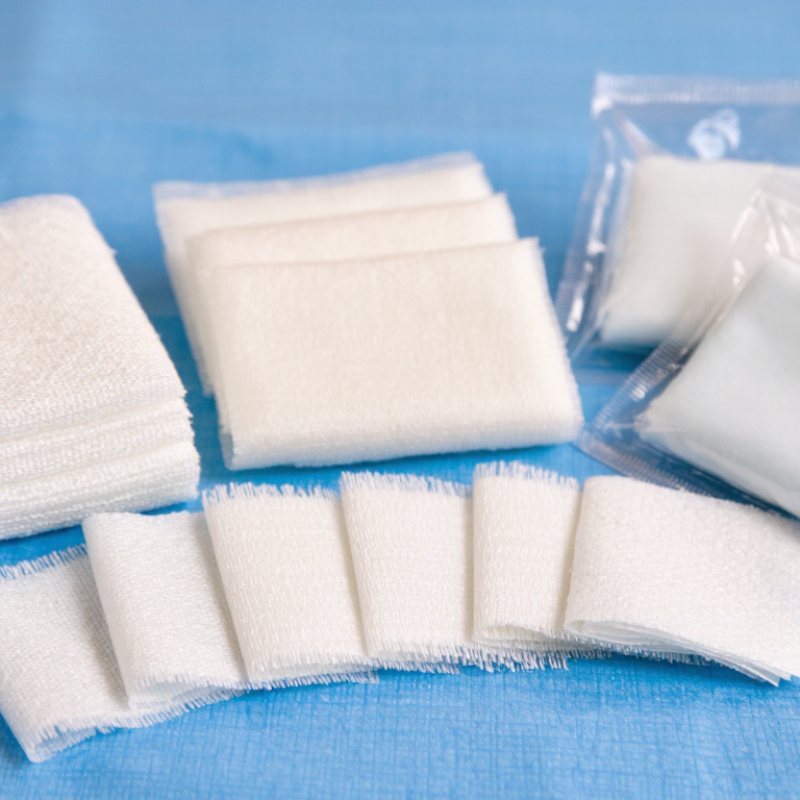
Gauze pads are absorbent pieces of medical fabric used to cover wounds, manage light fluid, or cushion skin. They are commonly made from cotton, synthetic fibers, or blends. Their open structure lets air pass through, while folded layers provide a soft barrier. The details matter. A pad’s feel and performance depend on its material, weave, and construction.
One common classification is woven versus nonwoven. Woven gauze has a visible mesh, often with small openings that can catch loose fibers. Nonwoven pads use bonded fibers and usually have a smoother surface. Buyers may also compare ply, meaning the number of fabric layers, and pad dimensions. A compact pad suits a small area; a larger one covers more surface. Higher ply can add thickness, but it does not automatically mean better absorption.
Sterile and nonsterile describe another important distinction. Sterile pads are individually packaged for uses requiring a sterile product, while nonsterile packs may suit general cleaning or dressing tasks. Check the package label, material, size, ply, and intended use before selecting a type. Classification can overlap: a pad may be nonwoven, sterile, and available in several sizes. The categories help, but they are not a substitute for reading specifications. One detail is easy to miss: loose edges or lint can affect handling, so inspect product information rather than relying on the word “gauze” alone.
Gauze pads vary by fiber and construction, and those details affect softness, absorbency, lint, and handling. Woven cotton gauze has a visible, open grid and familiar feel. Its loose structure can absorb fluid well, but may leave fibers behind. Buyers should compare mesh size, ply, and edge finish rather than relying on “cotton” alone.
Nonwoven pads commonly use rayon, polyester, or blends. Their bonded fibers create a more uniform surface, often with less fraying than woven gauze. Some feel smoother against skin; others can seem stiff when dry. There is no perfect choice. The trade-off is real. Ask for samples and check how each pad behaves when damp, folded, and separated from the pack.
Weave matters, too. Open-weave gauze allows airflow and can suit general dressing tasks, while tighter constructions may hold shape better during application. Layer count changes thickness, but more layers do not automatically mean better performance. Check the edges, too. For procurement, review material declarations, sterility status, packaging integrity, and product specifications. Match the pad to its intended use, and confirm clinical requirements with qualified care staff. Specifications help, but hands-on evaluation can reveal small differences buyers might otherwise miss.
What Are the Top Gauze Pad Types for Buyers in 2026?
How Common Gauze Pad Types Differ by Use
Woven gauze pads have an open, cotton-like structure that absorbs fluid and can be layered for extra coverage. Their texture helps them conform around fingers and joints. However, loose fibers may catch on some wounds, so removal can require care. Nonwoven pads are made from bonded fibers and often feel smoother. They tend to shed less, making them useful for cleaning or covering sensitive areas. Neither type suits every situation.
Sterile pads are individually packaged for open wounds and other situations where clean handling matters. Nonsterile pads can work for general cleaning or cushioning intact skin, but they should not be treated as interchangeable. Impregnated gauze includes a coating or solution for a specific clinical purpose. Choose it only when the intended use is clear, and follow professional instructions. In practice, the neatest pad is not always the easiest to secure.
Tips: Check pad size, ply, packaging, and lint behavior before buying. Match absorbency to the task, and consider how the pad will stay in place. For deeper wounds, heavy bleeding, or uncertainty, seek medical advice rather than relying on a product label.
| Type | Typical construction | How it differs | Common use | Buyer considerations |
|---|---|---|---|---|
| Woven cotton gauze sponge | Interlaced cotton yarn, commonly supplied in several ply and size options. | Has a visible woven structure and can be folded or layered. Edges and loose fibers should be managed according to the product design and instructions. | General wound cleansing, applying solutions, and absorbing fluid in clinical or first-aid settings. | Compare ply, dimensions, weave, edge finish, absorbency requirements, and whether sterile or nonsterile packaging is needed. |
| Nonwoven gauze sponge | Bonded or mechanically entangled fibers; materials may include rayon, polyester, or blends, depending on the product. | Usually has a more uniform, cloth-like surface than woven gauze. Performance varies by fiber composition and manufacturing method. | Wound cleansing, dressing changes, and general absorption where a soft, uniform sponge is preferred. | Check the stated material, linting characteristics, absorbency, softness, and compatibility with the intended application. |
| X-ray detectable gauze sponge | Gauze incorporating a radiopaque element, such as a detectable thread or strip; available in different gauze constructions. | Designed to be identifiable by imaging when used under appropriate clinical protocols. It is not a substitute for counting and safety procedures. | Selected surgical and procedural settings where radiopaque detection is required by facility practice. | Confirm the radiopaque feature, product labeling, size, sterility, and facility requirements before purchasing. |
| Pre-washed or low-lint gauze | Gauze processed or finished to reduce loose fibers; construction and performance differ by product. | May be selected when fiber shedding is a concern. “Low-lint” is a product characteristic, not a guarantee that no fibers will be released. | Procedures or wound-care tasks where minimizing loose fibers is desirable. | Review the manufacturer’s stated linting information, intended use, absorbency, and handling instructions. |
| Abdominal (ABD) pad | Large absorbent dressing, commonly built with an absorbent core and a soft outer facing. | Designed for higher-volume fluid absorption than a small gauze sponge. It is a related dressing category rather than a standard small gauze sponge. | Covering larger wounds or absorbing substantial wound drainage, when appropriate to the care plan. | Compare pad dimensions, absorbent capacity information, facing material, and whether a separate retention method is required. |
| Sterile or nonsterile format | A packaging and sterility distinction that can apply to different gauze constructions and sizes. | Sterile products are packaged and processed for a labeled sterile use; nonsterile products are not labeled sterile. These formats are not interchangeable for every application. | Sterile products for uses requiring a sterile dressing; nonsterile products for appropriate general-purpose tasks. | Match the labeled sterility status, packaging quantity, and intended use to clinical protocols and applicable regulations. |
Selection note: Gauze construction, absorbency, dimensions, and sterility can vary by product. Follow the product labeling and the relevant clinical protocol for the intended use.
What Are the Top Gauze Pad Types for Buyers in 2026?
What Buyers Should Compare When Selecting Gauze Pads
Buyers should match gauze construction to the task, not choose by price alone. Woven cotton pads offer a familiar, open texture; nonwoven pads often feel smoother and shed fewer fibers. Compare ply, dimensions, edge finishing, and absorbency using the same fluid and test method. A 10-by-10-centimeter pad can look substantial, yet its usable absorbent area may differ by construction. Check whether the specification states dry weight or fluid capacity.
Sterility and packaging matter when pads are intended for clean procedures or direct wound contact. The CDC reports that about 1 in 31 hospital patients has at least one healthcare-associated infection on a given day. This is not a gauze-specific risk measure, but it reinforces careful handling and clear sterile labeling. Verify lot traceability, expiration dating, and packaging integrity. Small details count.
Clinical evidence does not make selection effortless. A Cochrane review of dressings and topical agents for venous leg ulcers found limited evidence for choosing one dressing type over another. Buyers should therefore request product test methods, lint data, and intended-use guidance rather than rely on broad claims. Some teams overvalue maximum absorbency; it can be unnecessary for light drainage. Compare samples in realistic workflows, including removal, folding, and disposal. Then document what actually works.
Compare common gauze pad types by their defining construction or feature.
How to read: 1 indicates a defining or commonly specified feature; 0 means it is not inherent to that type. All four types are available as absorbent pads. Check each product’s construction, marker, and dressing specifications, since features can vary by product.
Matching a gauze pad to care needs starts with drainage, wound location, and the care plan—not just price. Woven cotton gauze is breathable and absorbent, making it useful for many dressing tasks. Its texture can catch on delicate tissue, though. Nonwoven pads often have a smoother surface and shed fewer fibers, which may suit sensitive skin or frequent changes.
Choose pad size and ply according to the area and amount of fluid. A small pad may need repeated replacement if drainage is heavy; a thicker pad can feel bulky over a finger or joint. Sterile packaging matters when a pad is intended for an open wound, but follow the clinician’s instructions for the specific wound. For cleaning or applying ointment, a nonsterile pad may be appropriate if the care plan allows it. Details matter.
Tips: Check the label for size, ply, sterility, and material. Keep the pad’s edges from rubbing surrounding skin, and change it when wet or soiled, as directed. If it sticks, causes irritation, or the wound’s drainage changes, pause and ask a qualified clinician. Gauze is simple, but choosing it well takes a little attention.