You have successfully logged out.
Choosing a Surgical Dressing Pads supplier in China takes more than comparing unit prices. The right partner should explain its materials, production controls, testing methods, and product limitations clearly. Wound-healing researcher Dr. George D. Winter is often associated with the observation, “A moist wound heals faster than a dry wound.” That principle helps explain why dressing performance matters, though no single pad suits every wound or care setting.
Buyers can examine absorbency, fluid retention, linting, softness, and how pads hold their shape when handled. Ask suppliers for product specifications, sample evaluation, and relevant quality documentation. Details matter. A clean-looking sample is useful, but it cannot replace consistent manufacturing records or suitable testing. Some suppliers may offer sterile and non-sterile options, different sizes, or custom packaging; confirm that each option matches the intended use and purchasing requirements. It is also worth asking how the supplier manages batch identification, packaging integrity, and changes to materials or production. These questions may feel cautious. They are. This guide introduces notable Chinese suppliers and practical ways to compare them, while recognizing that public information can be incomplete and product claims deserve independent review.
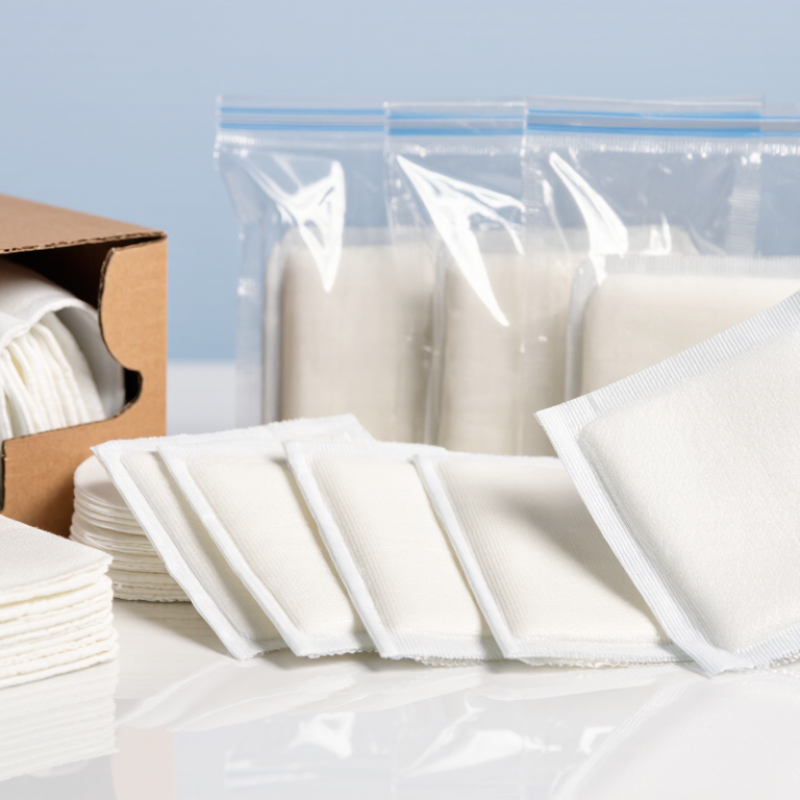
Surgical dressing pads are sterile coverings placed over an incision or other wound. They absorb blood and wound fluid, protect the site from friction, and help keep nearby skin clean. Some pads are primary dressings, touching the wound directly; others sit over a contact layer. The distinction matters. The World Health Organization’s 2018 surgical-site infection guideline reported a pooled infection incidence of about 11.8 per 100 surgical patients in low- and middle-income countries. A dressing cannot prevent every infection, but the right fit and absorbency support practical wound care.
Common types include woven gauze, nonwoven pads, abdominal pads, and foam dressings. Gauze is breathable and useful for light absorption, though it may stick to a drying wound. Nonwoven pads have a soft, smooth surface and are often used for routine incision coverage. Larger abdominal pads handle heavier fluid output. Foam pads cushion the site and absorb more exudate. Island dressings combine an absorbent center with an adhesive border. Not interchangeable. Clinicians match the pad to wound size, fluid level, and skin condition; a choice that works on day one may need review as drainage changes. WHO guidance supports infection prevention practices, not a single dressing for every patient.
Surgical dressing pads are wound-care products used to cover wounds, absorb exudate, protect tissue, or support a moist healing environment. The table below summarizes common types and practical criteria for comparing suppliers; it does not rank or identify individual companies.
| Dressing pad type | Typical construction | Common use | Key product consideration | Supplier checks |
|---|---|---|---|---|
| Sterile gauze pad | Woven cotton gauze, supplied in sterile or non-sterile packs | Covering wounds, absorbing blood or exudate, and general wound care | Check material, ply, dimensions, linting, absorbency, and whether the product is sterile | Request product specifications, sterility documentation where applicable, and packaging details |
| Abdominal (ABD) pad | A larger absorbent pad, commonly combining a cellulose or cotton absorbent core with a soft cover layer | Absorbing heavier wound drainage and covering larger areas | Compare absorbent capacity, pad size, cover integrity, and resistance to strike-through | Confirm construction, stated absorbency test method, pack configuration, and intended use |
| Non-adherent pad | Absorbent pad with a wound-contact layer designed to reduce adherence to the wound surface | Wounds where minimizing disturbance during dressing changes is desirable | Check contact-layer material, fluid passage, pad absorbency, and compatibility with secondary fixation | Ask for material details, performance data, and instructions for use |
| Foam dressing pad | Soft, absorbent foam; some products include a film backing or adhesive border | Managing exudate and cushioning a wound, depending on product design | Compare foam composition, absorbency, backing, adhesive design, and suitability for the intended wound | Verify product-specific claims, dimensions, packaging, and regulatory documentation for the destination market |
| Alginate dressing pad | Fibers made from calcium alginate or related alginate materials | Absorbing exudate; some alginate dressings form a gel as they interact with wound fluid | Check fiber composition, absorbency claims, removal instructions, and whether a secondary dressing is needed | Request composition information, test methods, and clear product-use instructions |
| Hydrocolloid dressing | Adhesive matrix containing hydrocolloid materials, often with a protective outer layer | Covering selected wounds and supporting a moist wound environment, according to product labeling | Compare adhesive performance, flexibility, wear claims, and suitability for the intended application | Review labeling, shelf-life data, packaging integrity, and market-specific compliance documents |
| Transparent film dressing | Thin transparent adhesive film; some versions have an absorbent pad | Protecting selected sites or securing a pad, depending on the product design | Check breathability claims, adhesive type, visibility, and whether an absorbent pad is included | Confirm product configuration, test documentation, and labeled application limits |
When comparing suppliers in China, assess product specifications, quality-management documentation, sterilization validation for sterile products, traceability, packaging, and regulatory requirements in the destination market. Requirements vary by product and market, so verify claims against current documentation.
A supplier should be assessed on product performance, manufacturing controls, and the evidence behind its claims—not price alone. Check absorbency, lint release, pad dimensions, packaging integrity, and whether sterile products have documented sterilization validation. Ask for recent test reports and lot-level traceability. A sample that looks clean is not proof of consistent production.
The WHO’s 2022 Global Report on Infection Prevention and Control estimates that about 7% of patients in high-income acute-care hospitals and 15% in low- and middle-income settings acquire at least one healthcare-associated infection during their stay. These figures do not measure dressing-pad performance, but they underline why careful handling and reliable quality controls matter.
Compare suppliers’ quality-management records, change-control procedures, and responses to nonconformities. Factory visits can reveal practical details, such as how materials are stored or how sealed packs are inspected. Still, one visit cannot establish long-term consistency.
Tips: Request samples from multiple production lots, then compare weight, edge finish, absorbency, and packaging seals. Keep the test conditions consistent. Small checks help, but they are not a substitute for independent verification.
Companies supplying surgical dressing pads in China typically include medical textile manufacturers, contract producers, and healthcare product distributors. Manufacturers may offer gauze or nonwoven pads in different sizes, layer counts, and absorbency levels. Some produce sterile and non-sterile versions, while others focus on private-label or export orders.
When comparing suppliers, ask who makes the pads and who handles sterilization and packaging. Request specifications for material, dimensions, absorbency, and linting, along with sample packaging and batch traceability details. A neat catalog is not proof. Review test records and quality procedures, and confirm that product documents match the exact item being quoted. Requirements can vary by market, so buyers should check the relevant destination requirements before ordering.
Samples help, but they have limits. Even a carefully prepared sample may differ from a later production batch, especially if materials or processes change. Ask how changes are controlled and whether each lot can be traced. Check lead times, minimum order quantities, and how the supplier handles defects or delayed shipments. Price matters, but a low quote can conceal differences in pad construction or inspection. One detail is easy to miss: packaging that looks suitable may not protect pads during storage and transport.
A size comparison of commonly used gauze dressing pads. Surface area is calculated from the nominal dimensions shown.
These dimensions describe product formats, not supplier market share or company rankings. Available sizes may vary by product and manufacturer.
Chinese surgical dressing pad suppliers differ less by catalog size than by process control. Some focus on cotton gauze pads, while others offer nonwoven pads, abdominal pads, and customized dimensions. Ask for absorbency data, linting results, edge-finish details, and samples from routine production. A pad that looks clean on a desk may shed fibers during handling. Small details matter. Confirm how sterile and non-sterile products are handled, and how packaging seals are checked. Specifications should match the intended clinical use, not just a quotation sheet.
Capabilities also vary in converting equipment, batch traceability, and response to changes. Larger factories may support repeat orders and multiple pack configurations; smaller facilities can sometimes adapt faster, though capacity needs verification. Review quality records, incoming-material checks, in-process sampling, and final release procedures. Ask how defects are recorded and corrected, not only whether a certificate exists. A video call can show equipment, but it cannot replace an independent audit or verified test reports. Be cautious with claims such as “high absorbency” unless a test method and result are stated. I would not rank suppliers from brochures alone; even a capable plant can communicate poorly, and that risk deserves a second look.
When evaluating surgical dressing pad suppliers in China, verify that certificates match the exact product and manufacturing site. Check issue dates, certification scope, and whether the documents can be confirmed with the issuing body. A certificate for another product line proves little. Ask for recent test reports covering absorbency, linting, dimensions, and packaging integrity. Reports should identify the tested material and method, not just show a pass result.
Look closely at production controls. Request a sample from a routine batch, then compare its size, edge finish, and layer consistency with the specification. Ask how incoming fibers and finished pads are inspected, and how batch numbers connect to production records. Traceability matters. Confirm whether the supplier can provide sterilization records when applicable, plus clear procedures for handling complaints and product changes. A sample may be excellent while bulk output varies; that risk deserves a direct conversation.
Assess communication as carefully as price. Ask for realistic lead times, minimum order quantities, and written notice before material or process changes. Have the supplier explain how it manages delayed shipments or a failed inspection. Their answer should be specific, not polished reassurance. Even a strong audit cannot predict every production problem, and no checklist removes all risk. Keep approval criteria in writing, and review them again before repeat orders.