You have successfully logged out.

Why Choose Maternity Pad for Global Healthcare Buyers?

Choosing the right Maternity Pad is a practical healthcare decision, not merely a purchasing exercise. After childbirth, patients may experience heavy postpartum bleeding, sensitivity, and limited mobility. A reliable pad should support comfort, absorption, skin protection, and discreet care during recovery.

Global healthcare buyers must examine more than product images and price lists. They should review absorbent core performance, breathable materials, adhesive stability, soft surface design, and packaging integrity. Clear specifications help hospitals compare products across suppliers. Independent testing, quality certificates, traceable production records, and consistent batch performance also strengthen purchasing confidence. Requirements differ between countries, so buyers should confirm applicable medical-device, hygiene, labeling, and import standards before ordering.

Real-world feedback remains valuable. Nurses can notice whether a pad shifts during bed changes. Patients can describe stiffness, dampness, odor control, or skin discomfort. These details may reveal weaknesses that laboratory data misses. No product is perfect. A very absorbent design may feel bulky, while a thinner option may require more frequent changes. That trade-off deserves honest evaluation. Reliable suppliers should explain product limitations, provide samples, and respond clearly to quality concerns. For international procurement teams, the best Maternity Pad combines verified performance, patient dignity, dependable supply, and responsible communication. Cost matters, but a cheaper purchase can create hidden burdens through leakage, complaints, or increased replacement needs. Careful selection protects both clinical standards and the people receiving postpartum care.

Why Choose Maternity Pad for Global Healthcare Buyers?

What Is a Maternity Pad and Who Needs It?

Why Choose Maternity Pad for Global Healthcare Buyers?

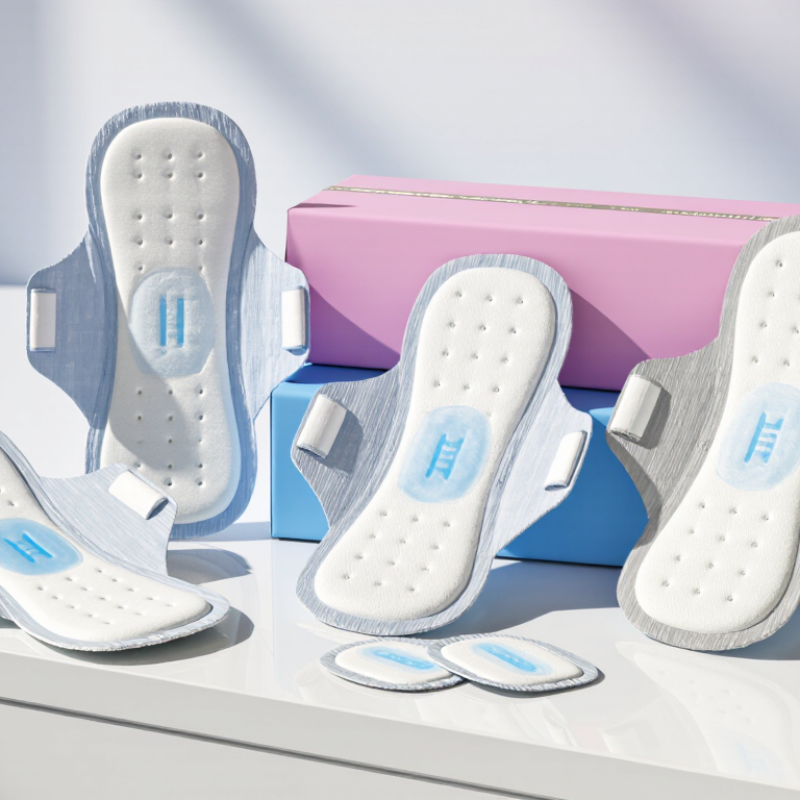
A maternity pad is a highly absorbent, soft, external pad designed for postpartum bleeding, known as lochia. It usually has a wider shape, longer coverage, and stronger leak protection than a standard menstrual pad. New mothers often need it during the first days after vaginal birth or cesarean delivery. Bleeding levels can change quickly. Comfort matters when sitting, walking, or resting with stitches and sensitive skin.

Maternity pads may also support women after miscarriage or certain gynecological procedures, when healthcare professionals recommend external protection. Hospitals, clinics, pharmacies, and relief programs often purchase them for organized maternal care. Buyers should assess absorbency, breathable materials, secure positioning, packaging hygiene, and disposal requirements. User feedback is valuable, but it is not perfect evidence. Some women prefer softer surfaces, while others need greater capacity. Local climate and patient mobility can also affect product suitability.

Tips: Choose several absorbency levels instead of one universal option. Check sealed packaging and clear usage instructions. Encourage regular changes to reduce discomfort and moisture. Seek medical advice for very heavy bleeding, large clots, fever, worsening pain, or an unusual odor. Procurement teams should verify applicable medical-product standards in each target market. Availability is important, but patient dignity should remain central.

How Maternity Pads Support Postpartum Hygiene and Recovery

Maternity pads support postpartum hygiene when bleeding, tenderness, and fatigue make routine care difficult. The World Health Organization’s 2022 postnatal care recommendations emphasize clean perineal care, hand hygiene, and timely assessment of heavy bleeding or infection signs. A well-designed pad helps absorb lochia, reduces skin contact with moisture, and allows users to monitor changes more easily. It should feel soft, remain stable during movement, and offer enough length for overnight protection.

Small details matter. A breathable surface can reduce the damp feeling against sensitive skin. A wide back helps protect bedding during rest. Easy-tear packaging is useful when one hand holds a newborn. Very thick does not always mean better. Poor fit may cause rubbing or leakage. Buyers should check absorbency testing, material safety documentation, and independent quality controls rather than relying only on marketing claims.

Access conditions also shape product selection. The WHO and UNICEF Joint Monitoring Programme reported in 2023 that 2.2 billion people lacked safely managed drinking water in 2022. Postpartum products should therefore support practical hygiene, even where washing facilities are limited. Clear disposal guidance remains essential. Comfort is often discussed less than absorption, yet discomfort can discourage timely changing. That weakness deserves attention. Procurement teams can improve outcomes by testing pads with healthcare workers and postpartum users across different climates, body sizes, and care settings.

Which Materials and Design Features Matter Most?

For global healthcare buyers, maternity pads should be judged by materials and design, not packaging alone. The World Health Organization reported that postpartum haemorrhage affects about 14 million women annually and causes around 70,000 deaths. Reliable absorbency and clear leakage control therefore matter during the first hours after birth.

A soft, breathable nonwoven topsheet can reduce friction against sensitive skin. Cellulose fluff provides bulk absorption, while superabsorbent polymer helps retain fluid under pressure. A breathable backsheet may reduce heat and moisture buildup. However, more polymer is not automatically better. Excess material can increase stiffness, waste, and disposal costs. Latex-free elastic edges and skin-friendly adhesives are practical choices for diverse users. ISO 10993-based biocompatibility screening can support safer material selection, although it cannot replace local clinical evaluation.

Design details often decide real-world performance. A longer rear panel, stable adhesive strip, and flexible wings can protect bedding during movement. Absorbency channels should distribute fluid instead of creating one heavy central lump. Individual wrapping supports hygiene in hospitals and community settings. Buyers should compare retention, rewet, peel strength, and breathability using standardized tests, including relevant EDANA and ISO methods. User trials remain essential. A laboratory-perfect pad may still shift overnight. That weakness deserves attention. Procurement teams should review clinician feedback, postpartum user comfort, packaging waste, and performance across different body sizes before approving large-volume supply.

How to Evaluate Absorbency, Comfort, Safety, and Fit

Why Choose Maternity Pad for Global Healthcare Buyers?

Absorbency should be verified, not described as “extra strong.” Ask suppliers for ISO 11948-1 test results, retention data, and leakage performance under pressure. These tests help compare products across markets. Yet laboratory absorption may not reflect movement, sitting, or sudden postpartum flow. A practical trial is still necessary.

Comfort depends on more than softness. Evaluate breathable backsheet materials, flexible wings, low-friction edges, and adhesive stability. The World Health Organization’s 2022 postnatal care guideline recommends contact with mothers within 24 hours, again during the first week, and later follow-ups. Pads must therefore support repeated changes without causing rubbing or excessive heat. Small details matter. A stiff pad can turn routine walking into discomfort.

Safety requires documented material declarations, microbiological controls, skin-contact testing, and fragrance transparency. If the product uses absorbent polymers, request safety and migration documentation. WHO’s Trends in Maternal Mortality 2000–2023 report estimated 260,000 maternal deaths worldwide in 2023, showing why dependable postpartum care cannot rely on vague claims. Fit should be tested across body sizes, delivery types, and underwear styles. Longer rear coverage may help during sleep, while contoured shaping can reduce side leakage. I would not approve a product after one user test. Real-world feedback is uneven, sometimes inconvenient, and easy to overlook.

Why Choose Maternity Pad for Global Healthcare Buyers? — How to Evaluate Absorbency, Comfort, Safety, and Fit
Evaluation Dimension What Buyers Should Measure Indicative Procurement Benchmark Recommended Validation Method Potential Risk Signal
Absorbency Capacity Total liquid retained by the complete pad, including the absorbent core and acquisition layer. Select several absorbency tiers rather than one universal level: light, moderate, and high-flow options. Require the supplier to state the test liquid, test procedure, loading rate, and result in grams or millilitres. Compare products using the same controlled laboratory method. Because laboratory capacity does not equal real-life protection, also perform simulated repeated-fluid loading and compression testing. High claimed capacity without a disclosed test method, or a result that cannot be reproduced by an independent laboratory.
Absorption Speed Time required for the surface to draw liquid into the absorbent core. The surface should absorb repeated small-to-moderate fluid applications quickly enough to reduce pooling. Define a buyer-specific maximum wetness time during the acceptance test. Apply measured liquid volumes at multiple points and record surface pooling, strike-through, and absorption time after each application. Visible pooling, slow intake after the first application, or significant wetness when the pad is pressed.
Rewet and Leakage Control Amount of fluid returning to the surface after pressure, movement, or overnight use. Minimal rewet under compression, secure edge containment, and no visible leakage during standing, sitting, walking, and side-sleeping simulations. Use a standardized pressure load and movement sequence. Test the centre, rear, and side areas separately, since leakage often occurs away from the main absorbent zone. Moisture transfer to a dry filter paper, wet edges, channel overflow, or leakage during compression.
Core Structure Distribution and stability of cellulose, superabsorbent material, acquisition layers, and backing materials. The absorbent core should remain evenly distributed, without hard lumps, excessive clumping, or separation after wetting and folding. Inspect dry and wet samples, then conduct bending, rolling, and compression tests. Check whether the core shifts away from the centre during use. Core migration, broken channels, exposed particles, or reduced absorbency after flexing.
Surface Dryness Residual moisture remaining on the body-contact surface after absorption. The topsheet should feel dry during normal use and should not remain visibly saturated after repeated loading. Measure rewet using a consistent absorbent test sheet or gravimetric method. Conduct both laboratory and wearer comfort evaluations. Persistent dampness, tacky surface feel, or increased skin friction after absorption.
Softness and Skin Comfort Surface softness, friction, flexibility, and comfort during prolonged contact. Soft, non-abrasive topsheet; flexible construction; no sharp edges; and acceptable comfort during sitting, walking, and lying down. Combine material inspection, bending-force testing, surface-friction assessment, and structured user trials with documented feedback. Rough surface, stiff edges, heat build-up, chafing, or discomfort reported consistently by users.
Breathability Ability of the backsheet and overall construction to allow water vapour transmission while preventing liquid leakage. Prefer a breathable, leak-resistant backsheet where local clinical requirements and product design allow it. Request water-vapour transmission data and verify liquid barrier performance. Compare results using the same laboratory conditions. Non-breathable plastic feel, excessive heat, condensation, or a substantial reduction in comfort during extended wear.
Material Safety Safety of all skin-contact and absorbent materials, including adhesives, dyes, fragrances, and processing residues. Use clearly specified materials; prefer fragrance-free and lotion-free designs for sensitive postpartum skin; require latex disclosure and restricted-substance controls. Review the bill of materials, safety data, supplier declarations, migration or chemical testing where applicable, and finished-product quality records. Undeclared additives, strong odour, inconsistent material specifications, or missing traceability and test documentation.
Biocompatibility and Irritation Risk Likelihood of skin irritation or sensitisation during repeated or prolonged contact. Finished products should be assessed for skin-contact suitability according to the destination market and intended use. Use appropriate irritation and sensitisation assessments through qualified laboratories, supported by complaint monitoring and post-market feedback. Repeated reports of redness, burning, itching, rash, or discomfort associated with normal use.
Fit and Coverage Overall length, width, rear coverage, side protection, and compatibility with the intended underwear. Offer size and coverage choices suitable for different postpartum flow levels and body shapes. A common adult maternity-pad length range is approximately 280–450 mm, but final dimensions should be validated by use case. Check dimensional tolerances, front-to-back coverage, side containment, and stability in multiple underwear styles and body positions. Pad movement, exposed edges, insufficient rear coverage, bunching, or adhesive failure during walking and sleeping.
Adhesive and Wing Performance Strength, placement, residue, and stability of the adhesive strip and wings. The pad should remain centred during normal movement while allowing clean removal without damaging common underwear fabrics. Test on representative underwear materials under dry and humid conditions. Assess peel strength, lateral movement, residue, and removal force. Sliding, wing detachment, excessive residue, fabric damage, or adhesive failure caused by humidity.
Odour and Appearance Odour neutrality, cleanliness, colour consistency, and visible manufacturing defects. Neutral odour, clean appearance, uniform sealing, and no exposed fibres, contamination, holes, or delamination. Perform incoming inspection using an agreed sampling plan and retain samples from each production lot. Unusual chemical odour, stains, loose fibres, incomplete seals, or significant colour and dimensional variation.
Packaging Hygiene Protection against moisture, dust, contamination, and damage throughout transport and storage. Individually wrapped or otherwise hygienically protected units, intact outer packaging, clear lot identification, and storage instructions. Conduct packaging integrity, transport simulation, humidity exposure, and shelf-storage checks relevant to the destination market. Torn wrappers, open seals, missing lot codes, moisture ingress, or unclear storage conditions.
Quality Consistency Variation in absorbency, dimensions, adhesive placement, sealing, and appearance between lots. Set written acceptance limits for critical characteristics and require lot-level traceability from raw materials to finished goods. Use incoming quality inspection, retained samples, certificate review, and periodic independent verification. Large lot-to-lot variation, incomplete corrective-action records, or inability to trace production batches.
Regulatory and Market Suitability Compliance with the destination country’s rules for hygiene products, medical claims, labelling, packaging, and import documentation. Claims should match available evidence. Product classification, labelling language, warnings, and documentation should be reviewed before purchase. Complete a country-specific regulatory review and verify declarations, technical files, labels, and supporting test reports. Medical or clinical claims without evidence, incomplete labels, incorrect product classification, or missing compliance documents.
Buyer’s note: Absorbency results are method-dependent and should not be compared across suppliers unless the test liquid, loading procedure, pressure, temperature, and reporting units are equivalent. A practical procurement decision should combine laboratory results, fit trials, skin-comfort feedback, quality records, and destination-market compliance.

What Should Global Healthcare Buyers Consider Before Purchasing?

Global healthcare buyers should assess maternity pads through clinical needs, not packaging claims. Postpartum bleeding varies by day, delivery method, and individual recovery. A suitable pad should offer reliable absorption, gentle surface contact, and enough length for movement. It should also remain stable during sleep and walking.

Check the absorbency test method carefully. Different suppliers may use different liquids, pressures, and testing times. A larger number does not always mean better protection. Request independent laboratory reports, material specifications, and samples from several production batches. Examine leakage near the back, adhesive strength, odor, dust, and surface softness. Small details matter.

Packaging deserves equal attention. Individual wrapping should protect hygiene during transport and storage. Clear production dates, batch codes, and usage instructions support safer distribution. Buyers should also review quality certifications, factory audits, complaint procedures, and delivery records. Confirm carton dimensions before ordering; oversized cartons increase warehouse costs. Local climate matters too. High humidity can affect packaging and adhesive performance.

Cost can mislead. A low unit price may hide higher waste, returns, or poor user acceptance. Collect feedback from nurses and postpartum patients during a controlled trial. Their comments may expose problems that laboratory tests miss. No maternity pad suits every market perfectly. Purchasing decisions should balance clinical evidence, user comfort, supply reliability, and realistic local needs.

Why Choose Maternity Pads? Regional Maternal Health Context for Global Healthcare Buyers

A maternity pad should support postpartum bleeding management with reliable absorbency, a secure fit, skin-friendly materials, breathable construction, and hygienic packaging. Regional maternal mortality ratios highlight why healthcare buyers should prioritize dependable postpartum-care products, clear performance specifications, and supply continuity rather than purchasing on price alone.

Indicator: Maternal deaths per 100,000 live births, 2020 estimates. Source: WHO, UNICEF, UNFPA, World Bank Group and UN DESA, Trends in Maternal Mortality 2000–2020.

Article Source: